Windstar Cruises Northern Europe: 18 nights from Leith with Star Explorer
Jun 19, 2027
United Kingdom, Norway, France, Denmark, Poland, Lithuania, Latvia, Sweden, Estonia, Finland


Cruise itinerary
Departure Port: Leith ➞
Landing: Helsinki
-
 Saturday, June 19, 2027 - 8:30 PMLeith
-
 Sunday, June 20, 2027Navigation
 -
Monday, June 21, 2027 8:00 AM - 4:00 PMRosendal
-
Tuesday, June 22, 2027 1:00 PM - 10:00 PMAlesund
-
Wednesday, June 23, 2027 8:00 AM - 5:00 PMAndalsnes
-
Thursday, June 24, 2027 9:00 AM - 10:00 PMTrondheim
-
Friday, June 25, 2027 7:00 AM - 1:00 PMFrøya
-
Saturday, June 26, 2027 10:00 AM - 4:00 PMPortovecchio
-
Sunday, June 27, 2027 9:00 AM - 5:00 PMBergen
-
Monday, June 28, 2027Navigation
-
Tuesday, June 29, 2027 8:00 AM - 5:00 PMCopenaghen
-
Wednesday, June 30, 2027 8:00 AM - 4:00 PMRonne
-
Thursday, July 1, 2027 8:00 AM - 6:00 PMGdynia
-
Friday, July 2, 2027 7:00 AM - 2:00 PMKlaipeda
-
Saturday, July 3, 2027 12:00 PM - 7:00 PMRiga
-
Sunday, July 4, 2027 6:30 PM - 11:59 PMStockholm
-
Monday, July 5, 2027 not found - 3:00 PMStockholm
-
Tuesday, July 6, 2027 12:30 PM - 11:00 PMTallinn
-
Wednesday, July 7, 2027 7:00 AM 11:59 PMHelsinki
Leith
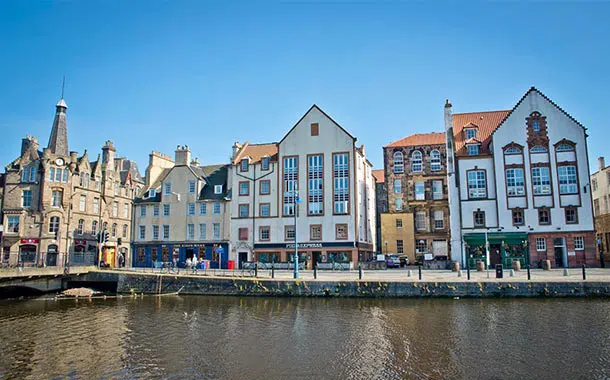
Scottish Sails from Leith (Edinburgh)!Set sail on a memorable cruise from Leith, the historic port of Edinburgh, Scotland. With its vibrant waterfront, Michelin-starred restaurants, and close proximity to the majestic Edinburgh Castle, Leith offers a truly captivating departure point. Experience the rich history and cultural vibrancy of Scotland's capital before embarking on a journey to explore the rugged beauty of the Highlands, the enchanting islands, and the charming cities of the UK and Northern Europe.
Historical Tapestry of LeithLeith, Edinburgh's vibrant port district, is a locale rich in history and character. Once an independent burgh, it has retained a distinct identity despite its incorporation into Edinburgh in 1920. This maritime heartland has been the backdrop to many of Scotland's pivotal moments, from its role in the Scottish Reformation to its significance in maritime trade. The area's past is imbued with tales of seafarers, merchants, and the Royal Yacht Britannia, which is now permanently moored here as a testament to Leith's enduring maritime legacy.
Leith's Climate: A Scottish EnclaveLeith enjoys a temperate maritime climate, similar to much of Scotland, making it an appealing destination year-round. Summers are mild, with temperatures averaging around 17°C (63°F), perfect for exploring the waterfront and outdoor dining. Winters are cooler and brisk, with occasional frosts, but rarely prohibit outdoor activities, thanks to the relatively moderate temperatures. This climate ensures that visitors can enjoy Leith's offerings in any season, from crisp winter walks along the shore to leisurely summer strolls through its historic streets.
Discovering Leith: Attractions and SitesLeith's transformation from a historic port to a cultural hub means visitors have much to explore. The Royal Yacht Britannia offers a glimpse into the life of British royalty at sea, while the Leith Market is a treasure trove of local crafts, food, and spirits. The vibrant Shore area, with its waterfront restaurants and bars, is perfect for those seeking leisure and relaxation. Art enthusiasts will find The Corn Exchange Gallery, showcasing local artists, a delightful visit. Leith's blend of historical and modern attractions caters to all interests.
Local Cuisine and Leith's Culinary DelightsLeith stands out for its exceptional culinary scene, from traditional Scottish fare to international gastronomy. The area's seafood is particularly noteworthy, with fresh catches being a staple in local cuisine. Signature dishes such as Cullen Skink, a hearty seafood soup, and freshly prepared haggis offer a taste of Scotland's rich flavors. Moreover, Leith's dining scene is diverse, featuring everything from cozy pubs serving craft beers to upscale restaurants offering innovative dishes. Foodies will relish the opportunity to explore Leith's culinary landscape.
Setting Sail from Leith: An Unforgettable JourneyStarting your cruise journey from Leith is not just a departure; it's an immersion into Scotland's cultural and historical essence. As a gateway to exploring the British Isles and beyond, Leith provides a unique backdrop with its historical charm, vibrant culinary scene, and welcoming atmosphere. Embarking on a cruise from Leith allows travelers to experience the richness of Scottish heritage before setting sail to distant shores. Whether you're attracted by the allure of history, the promise of culinary adventures, or the beauty of the coastline, Leith offers an unforgettable start to your cruise adventure.
Rosendal
Alesund
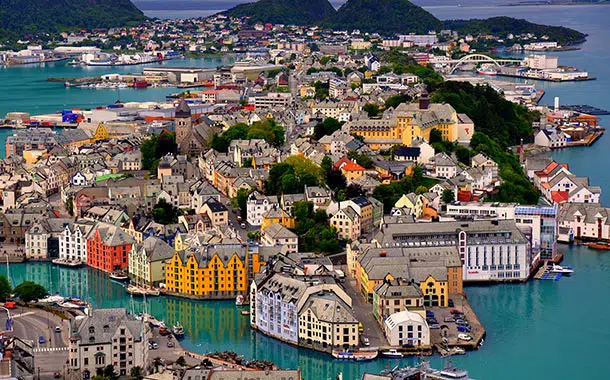
It is a seaport, and it is known for its extraordinary concentration of Art Nouveau architecture which will make you discover a great variety of fanciful ornaments on the fronts of the buildings. Climb the 418 steps to the top of Mount Aksla and you will be rewarded with an unforgettable panorama.
Ålesund is a natural starting point for an active holiday with a beautiful coastline and cliffs, deep valleys, fjords and spectacular mountains. It is also a great place for children, offering a series of exciting experiences for the whole family, from seeing the fish and penguins at the Atlanterhavsparken aquarium, to the exciting Barnas Lekeland Children's Playland, to travelling back in time at the open-air Sunnmøre Museum or the Nouveau Art Centre.
Andalsnes
Trondheim
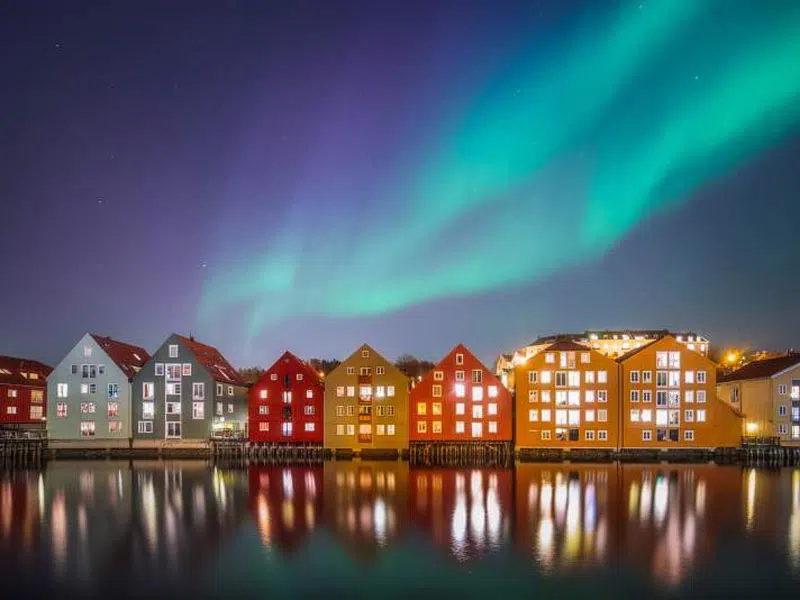
Norwegian Fjords and Arctic Wonders from Trondheim!Set sail on a captivating cruise from Trondheim, Norway, a historic city nestled at the mouth of the Nidelva River. Known for its colorful wooden houses, medieval Nidaros Cathedral, and vibrant cultural scene, Trondheim offers a picturesque departure point for exploring the stunning Norwegian fjords and the Arctic coastline. Experience its unique blend of history and natural beauty before embarking on a journey filled with breathtaking landscapes and unforgettable discoveries at sea.
Frøya
Portovecchio
Bergen
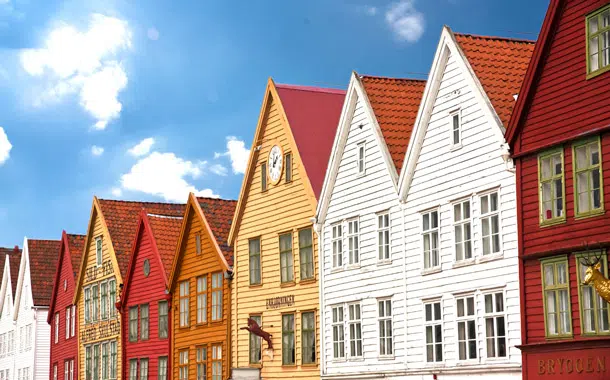
Surrounded by seven hills and seven fjords, Bergen is a beautiful, charming city with beauty and entertainment for all tastes. With the bustling port of Vågen as its centrepiece, Bergen climbs up the hills with hundreds of timber-clad houses, while cable cars offer splendid views from above. Great museums, friendly people and a dynamic cultural life make Bergen a popular destination in recent times, also thanks to the surrounding natural beauty. The wonderful natural beauties of this region will leave you speechless. HardangerFjord, Sognefjord and Geirangerfjord are similar if we consider some aspects such as: steep walls of crystal- clear rock plummeting with sublime force directly into the sea, often decorated with waterfalls and small farms that blend harmoniously with the natural landscape.With the lively port of Vågen as its fulcrum, Bergen climbs the hills with hundreds of wooden-clad houses, while cable cars offer a splendid view from above. Great museums, friendly people and a dynamic cultural life make Bergen a very popular destination in recent times, also thanks to the surrounding natural beauty. This spectacular region will dazzle you with a truly indescribable scenario. Hardanger Fjord, Sognefjord and Geirangerfjord are all variations on the same theme: steep walls of crystalline rock that plunge with sublime force directly into the sea, often decorated with waterfalls and small farms that blend harmoniously with the natural landscape.
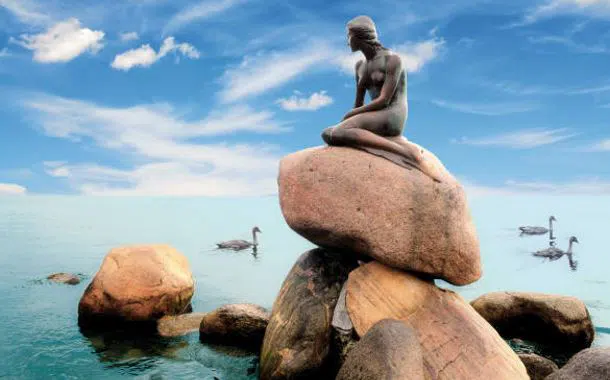
Copenaghen
Copenhagen, literally "port of the merchants", is the capital of Denmark and one of the country's most densely populated cities. Originally a city mainly inhabited by fishermen, it became a fundamentally important port for trade.
Copenhagen is a year-round tourist destination and in summer the flow of tourists increases considerably thanks to Northern Europe cruises.
It is very common to add a stay in the city before a cruise, to take in its distinguishing relaxing atmosphere and see what it has to offer. Among its famous attractions you cannot miss the statue of the Mermaid which is located right at the entrance to the port and the Tivoli Gardens, one of the world's largest amusement parks, opened in 1843 and loved by everyone.
Copenhagen (København in Danish and 'Copenaga' in Italian [no source]) is the capital and the most populous city of Denmark with 518,574 inhabitants in the municipality (1,167,569 in the urban area). The city stretches across the islands of Sjælland and Amager and is separated from the city of Malmö in Sweden by the strait of Øresund.
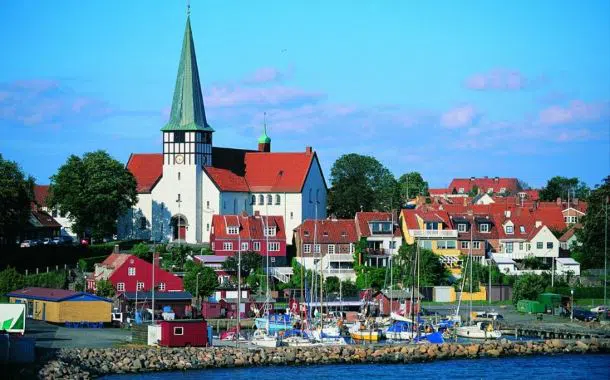
Ronne
Rønne is the main city of the small rocky island of Bornholm, it is also a port metropolis that connects Bornholm in Denmark (Køge, south of Copenhagen), Sweden, Germany, and Poland. The city of Ronne and Nexø were bombed after the end of the Second World War. Despite this, there are still many old buildings rich in history. The Swedish State donated 175 particular red wooden houses to help rebuild the city, which are still visible today. Cultural capital of the island: it has the oldest theater in Denmark, the Bornholm Concert Hall. Considered as a starting point for excursions around the island, it has been given the name of Pearl of the Baltic. With its beautiful countryside, rocky coasts and sandy beaches, the place is a popular tourist destination. Discover the medieval fortress of Hammershus, the largest in Northern Europe, a round church from the Middle Ages, a traditional mill, herring smoke, and much more. The easternmost point of Denmark is the island of Christiansø, characterized by the absence of cars. The island mainly lives on fishing, handicrafts, agriculture, and summer tourism, but is also committed to the growth and development of renewable energy.
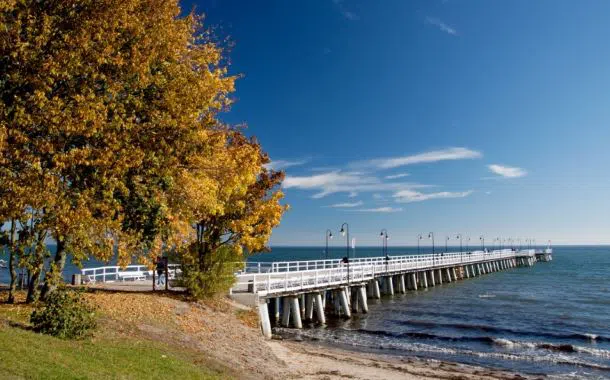
Gdynia
Gdynia is a town located in the north of Poland, in the Gulf of Gdansk and Warsaw, the capital, is about 380 km away. Part of a combination of three cities, (Gdynia, Gdansk and Sopot) represent the "lithe" a population of over a million inhabitants. Once known as a small fishing village, the city has developed considerably, especially after the end of the Second World War, becoming the largest Polish port. Its unique and modern environment delights tourists both for its maritime infrastructure and for its cultural life. The territory welcomes various cultural events such as the Polish Film Festival, nicknamed the "Polish Cannes." The outdoor music festival, which brings together various international artists, is proposed every year near the local beach. The city is particularly populated in summer: tourists are attracted thanks to its proximity to the sea and its large sandy beaches. Throughout the year, it plays the role of one of the main seaports in Poland and the site of an important shipyard. Near the port, you will find museums of various ships that can be visited. The country is relatively modern, however, vacationers who come to stay in this territory are often looking for its past and its historical buildings, such as the popular and ancient church of San Michele Arcangelo or the neo-Gothic house of the XVII century. The hills and coasts also intrigue nature lovers. The walk, with a length of 1.5 km, is very popular. In short, this place will be a perfect destination for those seeking rest but without giving up the pleasures of life, offering you a wide range of activities, including markets, clubs and excellent restaurants.
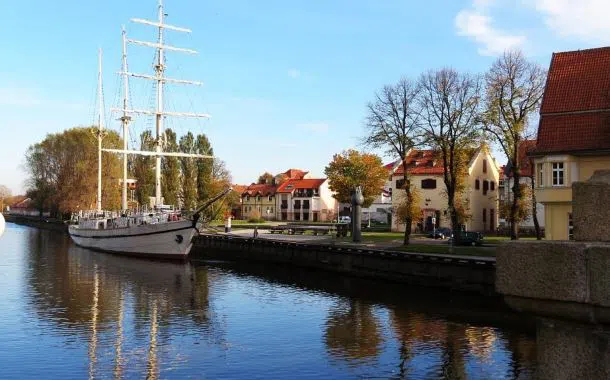
Klaipeda
The city is located near the Niemen delta, at the northern end of the Neringa Peninsula passing through the Strait of Memel. It connects Sweden, Denmark and Germany by ferry.
Lithuania's main seaport, Klaipėda is the third largest city in Lithuania after Vilnius and Kaunas. Long contested between the Kingdom of Lithuania and the Teutonic Knights.
Starting with a visit to the old town, you can see old houses, adorned with bushes of grapes. Several architectural buildings recall the designs of contemporary stories and small houses with tiled roofs surrounded by flowers and bushes.
The streets of the old town are winding and labyrinthine. Theatre Square is the central part of the old town of Klaipeda. Here you can see Simon Fontana Dach and another permanent symbol of the city, the sculpture of Anika Toravy, a historical figure in one of the old Lithuanian songs.
In addition to the beautiful walks through the streets of the city, you absolutely must visit the Museum of Clocks. Here are the collections of the first devices with which our ancestors determined the time. They vaguely resemble the clocks that are used today. You will be surprised to know that there are water clocks and fire clocks. A variety of sundials and hourglasses will broaden your understanding of production mechanisms. The Museum is another notable cultural institution.
It is possible to stroll and see many monuments in the sculpture park, to finish the tour with a visit to the Maritime Museum. Klaipeda will prepare for its guests with lots of fun for all tastes. It only remains to make the right choice and enjoy the holiday.
Riga
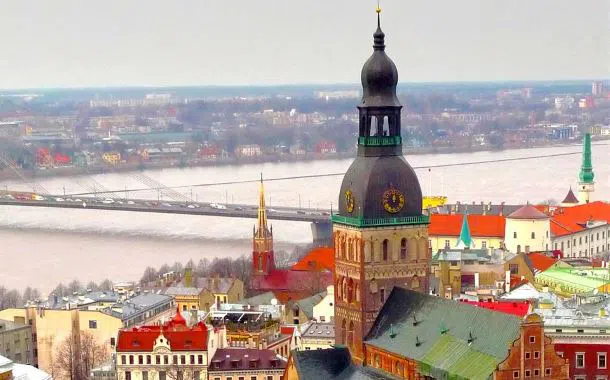
Riga, the capital of Latvia and the largest metropolis in the Baltic States, has the craziest nightlife of the three states.
The city is located near the Daugava Rigaian bay. Even today, Riga is very interesting when it comes to business opportunities and activities. The old port is famous for its Art Nouveau buildings, generous in constructions and a well-preserved center. After the particularly depressed economic period after independence in 1991 the country lost many of its industries in the great post-Soviet whale hunt, it is now highly developed in its education system and has a great cultural value and therefore cannot be considered as the backbone of the Latvian economy, as well as the largest center of education and science. Every year numerous exhibitions, conferences and cultural events take place in Riga and contribute to the city's international reputation. And it is charming to walk through the alleys of the historic center to admire splendid buildings such as the House of the Three Brothers, they are three houses next to each other in Maza Pils iela where a museum of architecture is currently housed, the House of the Blackheads, one of the best-known buildings in the Old Town. Don't miss the churches of St. Peter and St. John and the Cathedral.
Riga has many bars, clubs and discos, mainly located in the historic center.
Stockholm
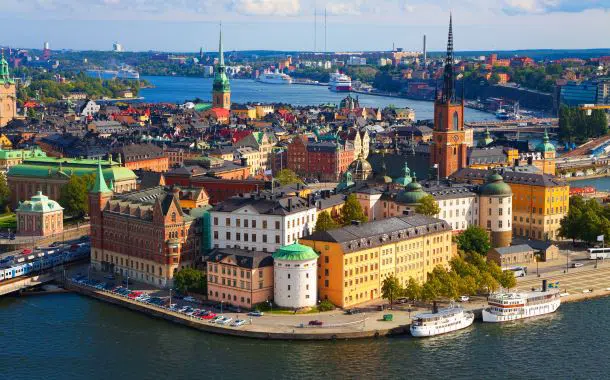
The capital of Sweden is considered one of the most beautiful cities in the world, a mirage of buildings in saffron colors and iridescent terracottas between the blue of the water and the even bluer skies of the Swedish summer, or candid, covered with snow and dotted with winter lights. It is also a lively, modern city, famous for the production of elegant design, cutting-edge fashion and world-class nightclubs.
The old town, Gamla Stan, is a compact little labyrinth seemingly built for small, thin people. The red, orange, and vanilla stucco walls of the buildings that seem to curve in towards each other house countless souvenir shops and ice cream parlors.
Just south of Gamla Stan is another island-neighborhood, Södermalm, where hills high waterfront are embellished by beautiful residences and the main avenues are lined with bohemian shops, art galleries, and Clubs. On the other side of Gamla Stan is the main city center, a bustling metropolis where boutiques and restaurants enliven the cool Swedish evenings.
Stockholm
The capital of Sweden is considered one of the most beautiful cities in the world, a mirage of buildings in saffron colors and iridescent terracottas between the blue of the water and the even bluer skies of the Swedish summer, or candid, covered with snow and dotted with winter lights. It is also a lively, modern city, famous for the production of elegant design, cutting-edge fashion and world-class nightclubs.
The old town, Gamla Stan, is a compact little labyrinth seemingly built for small, thin people. The red, orange, and vanilla stucco walls of the buildings that seem to curve in towards each other house countless souvenir shops and ice cream parlors.
Just south of Gamla Stan is another island-neighborhood, Södermalm, where hills high waterfront are embellished by beautiful residences and the main avenues are lined with bohemian shops, art galleries, and Clubs. On the other side of Gamla Stan is the main city center, a bustling metropolis where boutiques and restaurants enliven the cool Swedish evenings.
Tallinn
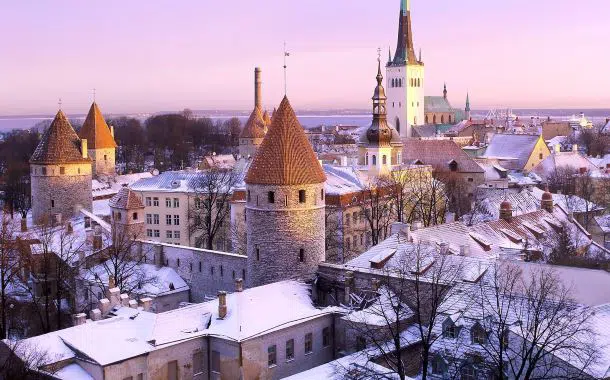
Tallinn is the capital of Estonia as well as its main port, it is located on the northern coast of the country, overlooking the Baltic Sea, 80 kilometers south of Helsinki and is also the most populous city and major economic and commercial center of the country.
Helsinki
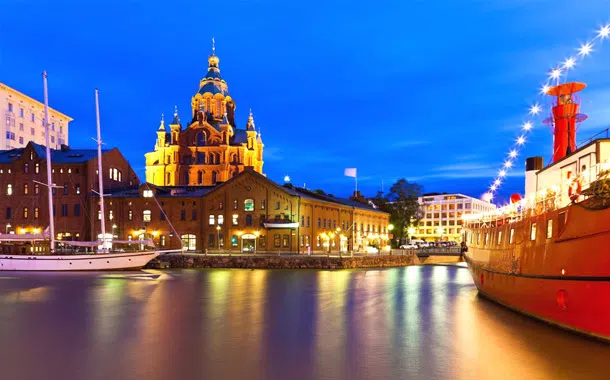
Helsinki, the capital of Finland, is a lively port city surrounded by beautiful small islands and beautiful green spaces. The atmosphere here is both relaxing and stimulating thanks to the city's large number of top quality restaurants, bars and discotheques.
Winter temperatures are relatively high due to the latitude, averaging around -5°C in January and February. The average temperature from June to August varies from 19 °C and 21°C.
The Finns have long been admired for their graceful design and typically immaginative architecture. Lots of past and present styles are represented in this metropolis, ranging from the medieval and the neoclassical ones to the beautiful ultra-modern creations. The beauty of the surrounding nature harmoniously blends with the high-tech and the contemorary ways of the city. In this lively city you will find kind people, a welcoming and relaxed lifestyle and beautiful gardens and parks.
Tourism in Helsinki is largely dominated by culture. The city has lots of museums including the National museum (Kansallis Museum), the Museum of Contemporary Art (Kiasma), the Museum of Classic Art
(Ateneum) and the Natural History Museum. Suomenlina is a beautiful island off the coast of Helsinki, its special feature being the presence of ancient fortifications. The landscape is beautiful, the island is quiet and it is perfect for walking (it takes only 2 hours to walk around the island).
Finally, try the Esplanade Park, which has been open since 1812 and has numerous statues honouring poets and writers. The walk is very pleasant and numerous concerts are organised during the summer.
Winter temperatures are relatively high given the latitude, with an average of around -5°C in January and February. The average maximum from June to August, in turn, fluctuates between 19 and 21°C.
The Finns have long been admired for their graceful design and typically imaginative architecture. Many past and present styles are represented in this metropolis, from medieval to neoclassical, to superb ultra-modern creations. The beauty of the surrounding nature blends harmoniously with high-tech and the contemporary modes of the city.
In this sparkling city you will find friendly people, the welcoming and relaxing lifestyle, embellished by beautiful gardens and parks.
Tourism in Helsinki is largely dominated by culture. The city has many museums, including the National Museum (Kansallis museum), the Museum of Contemporary Art (Kiasma), the museum of classical art (Ateneum) or the Museum of Natural History.
Suomenlina is a beautiful island off the coast of Helsinki, its particularity is the presence of ancient fortifications. The landscape is beautiful, the island is quiet and it's perfect for walking (it only takes 2 hours to go around the island).
Finally, try the Esplanade Park open since 1812, there are numerous statues in honor of poets and writers. The walk is very pleasant and during the summer many concerts are organized.
Info on the ship Star Explorer