SeaDream Yacht Club Mediterranean: 11 nights from Civitavecchia with SeaDream II
Aug 22, 2027
Italy, Montenegro, Croatia, Slovenia


Cruise itinerary
Departure Port: Civitavecchia ➞
Landing: Venice
-
 Sunday, August 22, 2027 - not foundCivitavecchia
-
Monday, August 23, 2027 not found - not foundCapri
-
Tuesday, August 24, 2027 not found - not foundCapri
-
Tuesday, August 24, 2027 not found - not foundAmalfi
-
Wednesday, August 25, 2027 not found - not foundTaormina
-
 Thursday, August 26, 2027Navigation
 -
Friday, August 27, 2027 not found - not foundKotor
-
Saturday, August 28, 2027 not found - not foundKotor
-
Sunday, August 29, 2027 not found - not foundDubrovnik
-
Monday, August 30, 2027 not found - not foundHvar
-
Tuesday, August 31, 2027 not found - not foundLussinpiccolo
-
Wednesday, September 1, 2027 not found - not foundPirano
-
Thursday, September 2, 2027 not foundVenice
Civitavecchia
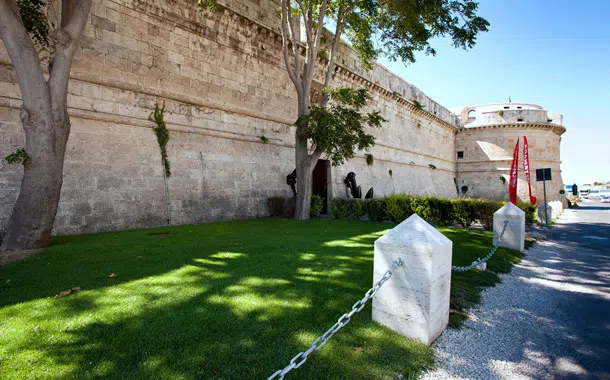
The port town of Civitavecchia is about an hour away from the Italian capital and is where ships will dock before bringing lucky holidaymakers into the city of Rome. It is an important port for cruise ships and ferries, connecting to Corsica, Sardinia and Barcelona. Civitavecchia is a town in the heart of Lazio. It is a small, sleepy town that overlooks the sea from behind the busy and chaotic commercial port.
Spreading out along the coast, the town is situated between the Mignon river to the north and the Marangone river to the south.
Civitavecchia is a port town in the heart of Italy, in the province of Rome, 80 kilometres northwest of the capital.
It is shrouded in art and history, and is rich in bays and coves with sandy and rocky beaches. Today the town is the departure point for many cruises and journeys around the Mediterranean. It is an excellent tourist destination where you can simply enjoy 'la dolce vita' or visit the amazing historical monuments. On a level with the majestic ancient capital, in terms of its monuments, gardens, villas and works of art, it also gives you easy access to the Tyrrhenian Sea, the Terme della Ficoncella, and the Etruscan ruins.
Civitavecchia will guarantee you an original and enchanting experience.
Capri
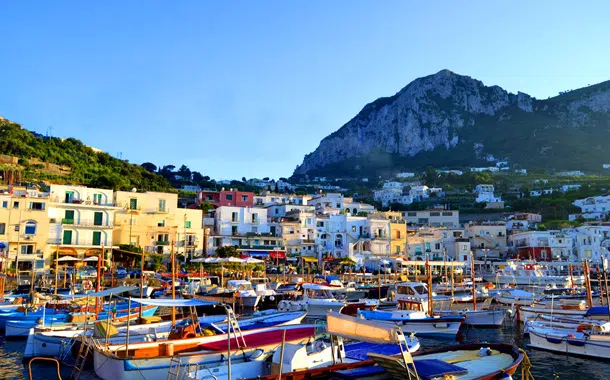
The island of Capri is one of the favorite destinations for international tourism. It is located 17 miles south of Naples and 3 miles from the Sorrento Peninsula. Famous for its natural beauty, its millennia-old history, the mild climate and the luminous landscape.
Capri is something never seen before!
A location known since ancient times in Roman times for its beauty. With the sweet scent of citrus flowers that follows you everywhere. The flora, one of the richest in Italy, gives the island a smiling appearance, even during the cold seasons. In the same way, wildlife is present with many marine species that enrich the seabed. A cocktail expertly mixed for millennia of history based on fresh coffee, Roman ruins and splendid marine landscapes. Explore Capri beyond the fashion boutiques and you will discover traditional trattorias and an authentic hinterland that preserves an uncontaminated rural charm with villas, vegetable gardens and bougainvillea in bright colors. The luminescent Blue Grotto, the imposing Faraglioni and the Palazzo al mare are among the most visited sites.
Capri
The island of Capri is one of the favorite destinations for international tourism. It is located 17 miles south of Naples and 3 miles from the Sorrento Peninsula. Famous for its natural beauty, its millennia-old history, the mild climate and the luminous landscape.
Capri is something never seen before!
A location known since ancient times in Roman times for its beauty. With the sweet scent of citrus flowers that follows you everywhere. The flora, one of the richest in Italy, gives the island a smiling appearance, even during the cold seasons. In the same way, wildlife is present with many marine species that enrich the seabed. A cocktail expertly mixed for millennia of history based on fresh coffee, Roman ruins and splendid marine landscapes. Explore Capri beyond the fashion boutiques and you will discover traditional trattorias and an authentic hinterland that preserves an uncontaminated rural charm with villas, vegetable gardens and bougainvillea in bright colors. The luminescent Blue Grotto, the imposing Faraglioni and the Palazzo al mare are among the most visited sites.
Amalfi
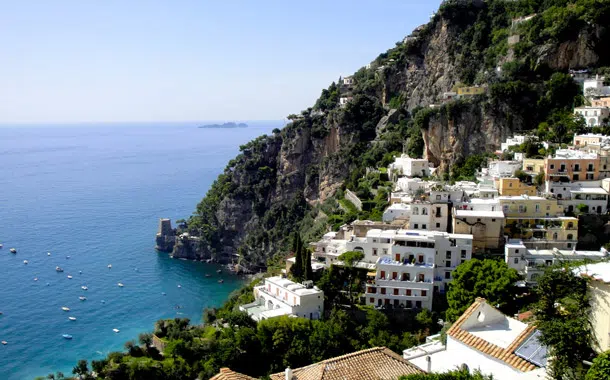
Terraced cliffs with fragrant lemon groves mirrored down in shimmering seas; whitewashed villas precariously clinging to the harsh slopes while sea and sky merge into a vast blue horizon.
Terraced cliffs with fragrant lemon groves mirrored down in shimmering seas; whitewashed villas precariously clinging to the harsh slopes while sea and sky merge into a vast blue horizon.
Taormina
Kotor
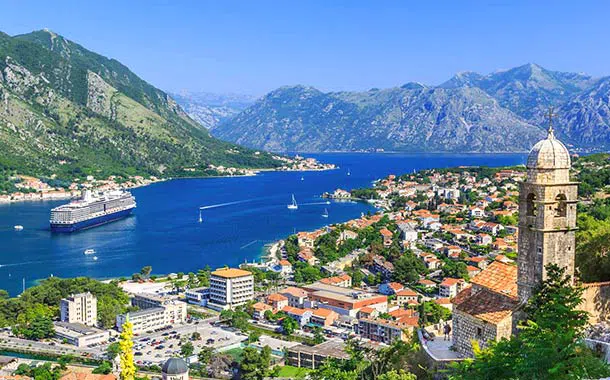
The Adriatic Sea penetrates the jagged coast of Montenegro and winds between high mountains until it meets the exquisite and walled medieval city of Kotor.
Along the Adriatic coast of the former Yugoslavia, we find one of the most unique and fascinating European coastal areas, the city hidden in Montenegro, Kotor.
Located at the bottom of a bay, the beautiful medieval city of Kotor is considered a Mediterranean location surrounded by cliffs and an interesting historic wall. The tourist attractions of Kotor are easily reached with a pleasant walk. This small walled city, declared a UNESCO World Heritage Site, has compact dimensions that make it comfortable and easy to visit.
The central part of Kotor was built between the XII and XIV centuries. A historic center surrounded by a rather thick wall, four and a half kilometers long and fifteen meters high. This immense fortified wall reaches the bastion of Sveti Ivan (San Giovanni).
Inside the walls, it preserves an urban network cut into the stone. Its most emblematic work is the Cathedral of San Trifone, built in the 12th century. Inside the church it contains objects and frescoes sculpted during the 14th century. Furthermore, The Orthodox Church of San Nicolas, built between 1902 and 1909 in neo-Byzantine style and that of San Luca (13th century) built in Romanesque and Byzantine style.
Together with the churches, the city includes many palaces that tell its history: the Maritime Museum, located in the Grgurina Palace, a splendid baroque building located in the historic center of the country. The Drago house, with its beautiful Gothic windows, the Prima building, where Renaissance and Baroque lines are combined, the Ducal Palace and the Bizanti, both from the 17th century and the Napoleonic theater in the 19th century.
In Kotor, it is very common to see locals located along the rocky coast in the lower part of the city. In the old part of the area you will find many shops and restaurants that will delight your eyes. This location is the classic ideal city to spend quiet days or for a romantic getaway.
Kotor
The Adriatic Sea penetrates the jagged coast of Montenegro and winds between high mountains until it meets the exquisite and walled medieval city of Kotor.
Along the Adriatic coast of the former Yugoslavia, we find one of the most unique and fascinating European coastal areas, the city hidden in Montenegro, Kotor.
Located at the bottom of a bay, the beautiful medieval city of Kotor is considered a Mediterranean location surrounded by cliffs and an interesting historic wall. The tourist attractions of Kotor are easily reached with a pleasant walk. This small walled city, declared a UNESCO World Heritage Site, has compact dimensions that make it comfortable and easy to visit.
The central part of Kotor was built between the XII and XIV centuries. A historic center surrounded by a rather thick wall, four and a half kilometers long and fifteen meters high. This immense fortified wall reaches the bastion of Sveti Ivan (San Giovanni).
Inside the walls, it preserves an urban network cut into the stone. Its most emblematic work is the Cathedral of San Trifone, built in the 12th century. Inside the church it contains objects and frescoes sculpted during the 14th century. Furthermore, The Orthodox Church of San Nicolas, built between 1902 and 1909 in neo-Byzantine style and that of San Luca (13th century) built in Romanesque and Byzantine style.
Together with the churches, the city includes many palaces that tell its history: the Maritime Museum, located in the Grgurina Palace, a splendid baroque building located in the historic center of the country. The Drago house, with its beautiful Gothic windows, the Prima building, where Renaissance and Baroque lines are combined, the Ducal Palace and the Bizanti, both from the 17th century and the Napoleonic theater in the 19th century.
In Kotor, it is very common to see locals located along the rocky coast in the lower part of the city. In the old part of the area you will find many shops and restaurants that will delight your eyes. This location is the classic ideal city to spend quiet days or for a romantic getaway.
Dubrovnik
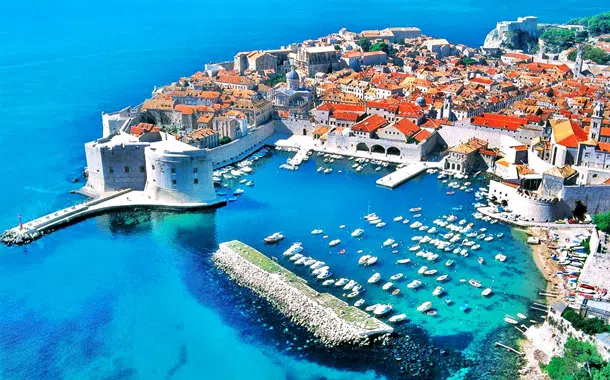
Dubrovnik is definitely special. A magnificent curtain wall surrounds marble streets and Baroque buildings exude a pearly light in the Adriatic sun.
Picturesque and artistic, Dubrovnik is a tourist hotspot and port in southern Dalmatia, at the foot of the Srđ mountain. From a historical and cultural point of view, it has been included in the list of UNESCO World Heritage Sites.
Thanks to its beauty and everything it has on offer for tourists, Dubrovnik is one of the most attractive destinations in the Mediterranean, so much so that the city can be visited all year round. In addition to its world-famous architectural heritage, this place has beautiful rocky beaches, pebble beaches and sandy beaches, enjoys a Mediterranean climate and also has lush vegetation. The main pedestrian street, Placa, is a melange of cafes and shops with monuments at each end.
Churches, monasteries and museums adorned with finely carved stone, recall an eventful history and a rich artistic tradition. Beyond the city there is a paradise of beaches, wooded peninsulas and a crystal-clear sea dotted with lush islands.
The city is also known for its delicious cuisine and its infrastructure of hotels for tourists. The city offers a wide selection of first-class restaurants, numerous sport and leisure activities, as well as cultural and entertainment events
Hvar
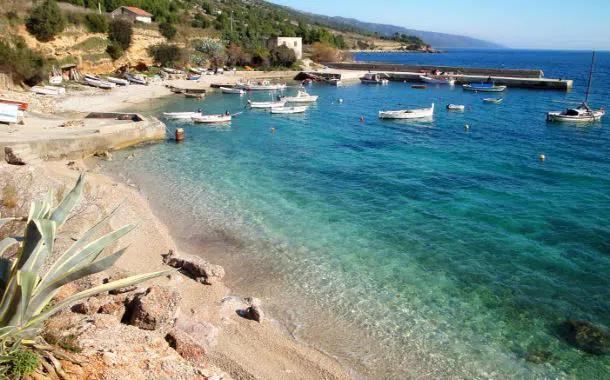
Located on the Adriatic Sea, the island of Lesina is one of the largest islands overlooking the Croatian coast. An ancient city with a rich past, it is located on the west side of the island, towards the south. A popular tourist destination, not only in summer but also in spring and autumn, it becomes the most visited destination in Croatia.
During your stay in Lesina, you can discover the richness of its natural heritage: the island is well-equipped with a series of caves, some of which are completely uninhabited.
Do not forget to visit the various monuments such as the imposing fortress, built in the early 16th century and restored in 1579, following an explosion, which offers extraordinary panoramic views of the city of Lesina and the Pakleni islands. Other significant monuments are: The Cathedral of San Stjepan, located on the east side of the main square of the city, the Arsenal, the oldest public theater built in 1612, the Franciscan monastery, now a museum and gallery of rarities, and many other works that testify to the turbulent past of the Nation. In this country, you will find a transparent and crystalline sea with small beaches of sand and rocks. In front of the bay of Lesina you will find the "Infernal" islands, where you will meet the most beautiful beaches.
The city is connected to the islands by regular ferry lines. Sports and leisure lovers can go trekking, scuba diving, numerous water activities, walking, playing football, handball, volleyball, basketball, and tennis. The nightlife of the city of Hvar is more active in Dalmatia. You can relax among enchanting beaches, watching shows, exhibitions, concerts, musical, and folklore events.
Lussinpiccolo
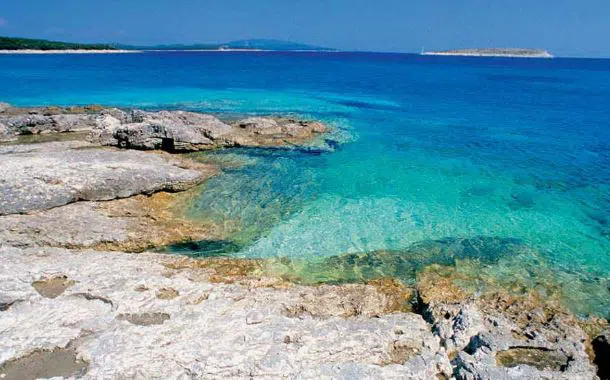
Lussinpiccolo (in Croatian Mali Lošinj) is the main town on the island of Lussino, in Croatia, and one of the most populous centers in the coastal-mountain region, with 8,070 inhabitants, as well as the capital of the homonymous city.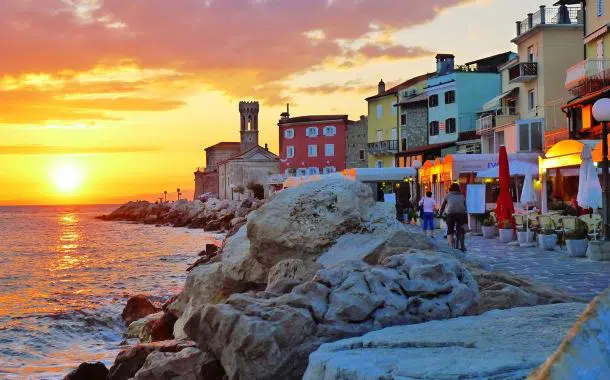
Pirano
Pirano or Piran of Istria (in Slovenian Piran, in Venetian Piràn) is a municipality of 17,882 inhabitants in southwestern Slovenia, on the Adriatic coast. It is a small Slovenian town with specific characteristics, and whose urban heritage is the best preserved in the entire region. The characteristic of this peninsula is known throughout the world. Up close, you can admire the typical architecture that reveals a strong Venetian influence, which is also found in other cities on the Slovenian coast. The city has preserved its medieval village: narrow streets, many squares and churches, all within walking distance from the sea. Tartini Square, located in the center, takes its name from the famous violinist and composer Giuseppe Tartini. His statue is in the central point of the square. Piran is surrounded by a circular wall that allows Piran to be a member of the European Circle of Cities with outer walls. Open-air exhibitions take place throughout the year in different locations involving illustrious men. The church of San Giorgio, patron saint of the city, built on a hill, has a splendid view of Piran and the surrounding area which extends to the Croatian and Italian coasts. The structures (hotels, hostels, guesthouses), cultural visits (churches, art galleries, museums, aquarium) make Piran an unforgettable place.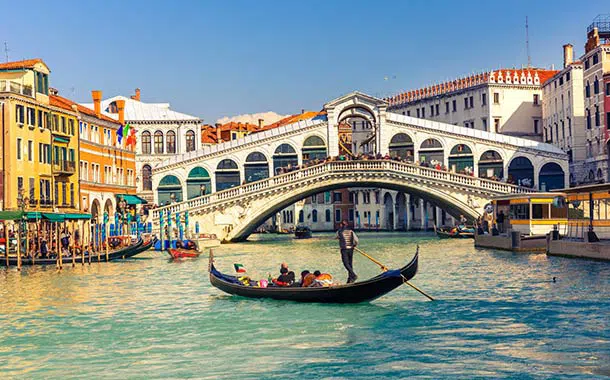
Venice
Setting sail from Venice on a cruise ship is unique and unforgettable. Discover all the cruises that depart from Venice for a great start to your holiday!
Venice it is one of the golden destinations of our age. A unique city of 120 islands, with an ancient history and endless waterways, it attracts a constant flow of tourists from all over the world to see its inspiring architecture and navigate its canals.
There are many souvenirs you can bring home from Venice, but the most lasting memory will be your impression of the city itself.
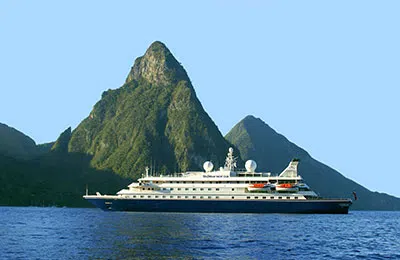
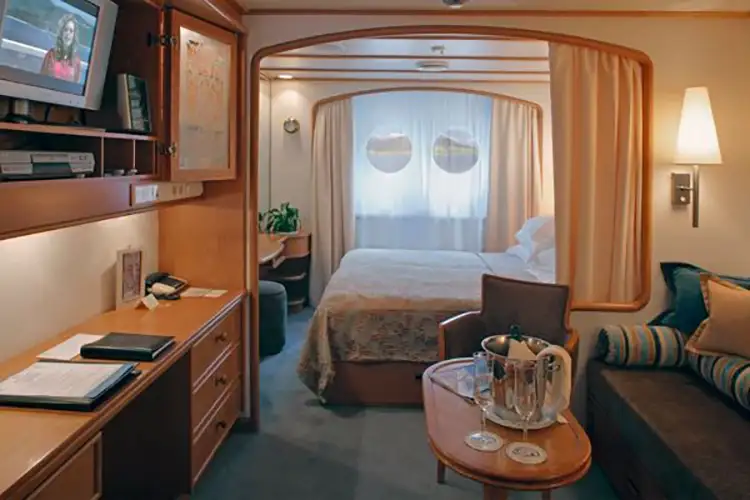
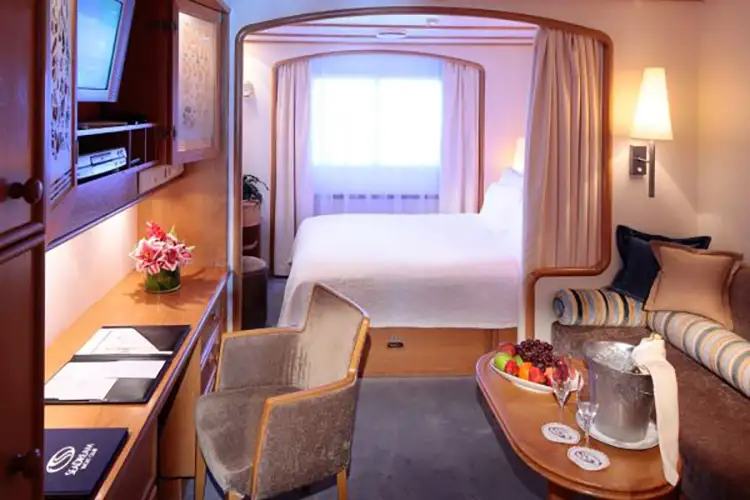
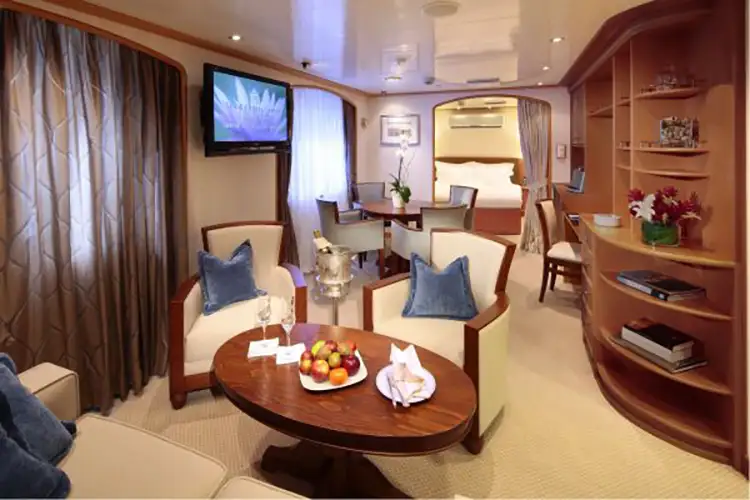
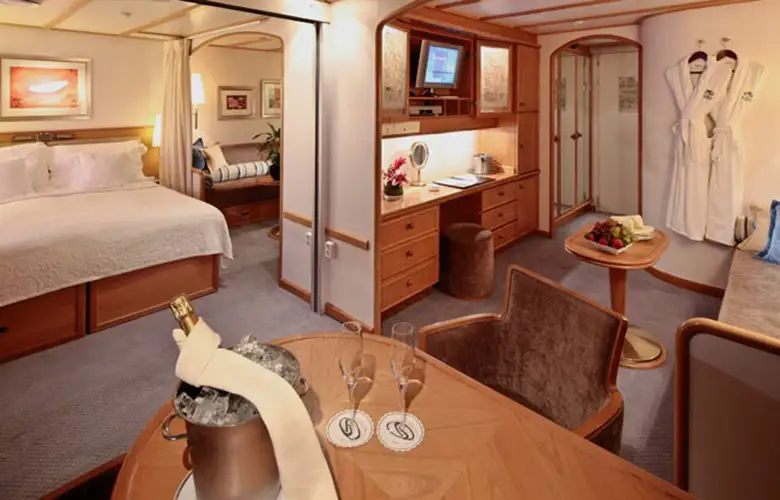
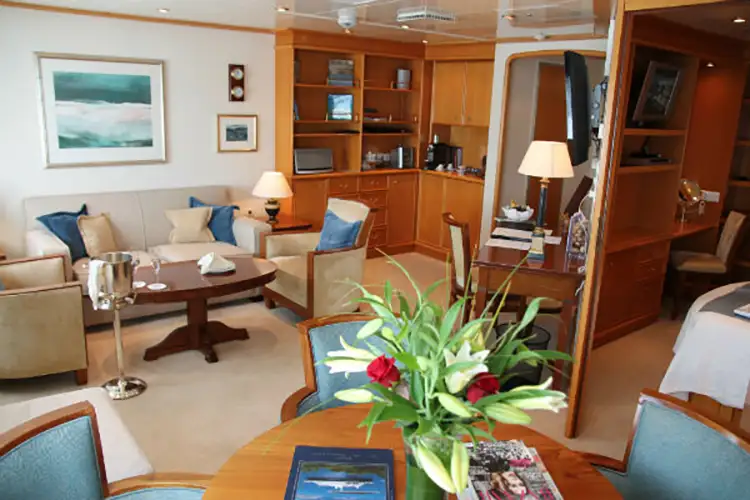
Info on the ship SeaDream II