Seabourn Mediterranean: 21 nights from Barcelona with Seabourn Ovation
Oct 7, 2028
Spain, France, Italy, Monaco, Malta, Montenegro, Croatia, Greece


Cruise itinerary
Departure Port: Barcelona ➞
Landing: Athens
-
 Saturday, October 7, 2028 - 5:00 PMBarcelona
-
Sunday, October 8, 2028 8:00 AM - 6:00 PMSete
-
Monday, October 9, 2028 8:00 AM - 6:00 PMSaint Tropez
-
 Tuesday, October 10, 2028Navigation
 -
Wednesday, October 11, 2028 8:00 AM - 6:00 PMOlbia
-
Thursday, October 12, 2028 8:00 AM - 6:00 PMBastia
-
Friday, October 13, 2028 8:00 AM - 6:00 PMCalvi
-
Saturday, October 14, 2028 7:00 AM - 5:00 PMMontecarlo
-
Sunday, October 15, 2028 7:00 AM - 4:00 PMPorto Santo Stefano
-
Monday, October 16, 2028 9:00 AM - 6:00 PMSalerno
-
Tuesday, October 17, 2028 8:00 AM - 6:00 PMGiardini-Naxos
-
Wednesday, October 18, 2028 8:00 AM - 6:00 PMValletta
-
Thursday, October 19, 2028Navigation
-
Friday, October 20, 2028 8:00 AM - 6:00 PMKotor
-
Saturday, October 21, 2028 7:00 AM - 11:00 PMDubrovnik
-
Sunday, October 22, 2028 7:00 AM - 6:00 PMKotor
-
Monday, October 23, 2028 8:00 AM - 6:00 PMBrindisi
-
Tuesday, October 24, 2028 8:00 AM - 5:00 PMKorfu
-
Wednesday, October 25, 2028 8:00 AM - 6:00 PMItea
-
Thursday, October 26, 2028Navigation
-
Friday, October 27, 2028Navigation
-
Saturday, October 28, 2028 7:00 AMAthens
Barcelona
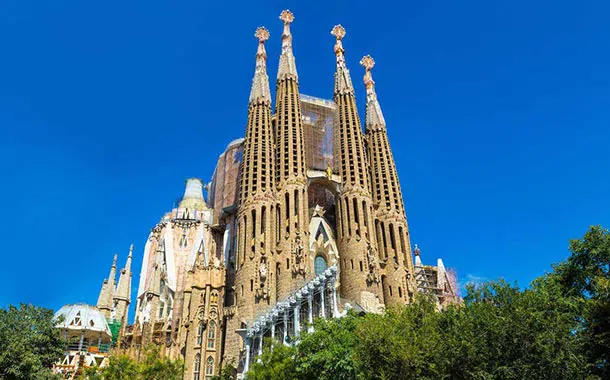
Barcelona, the capital of Catalonia, is a jewel enclosed between sea and mountains, an en plein air museum to be discovered. Catalonia is an autonomous region whose indipendence has long been a subject of debate and is still a topic that divides opinion in the country. The region has its own language, culture and history, most visible in its Roman ruins, Gothic cathedral and modernist buildings. The city of Barcelona is the emblem of this unique culture. Barcelona is the most cosmopolitan city in Spain and one of the most busiest port in the Mediterranean. In summer, the beautiful beaches of this city are a magnet for beach lovers. Beautiful beaches are not the only the reason why Barcelon is one of the most loved destionations for tourists.
The city is a symbol of the the artistic, culinary and cultural avant-garde: visit the Sagrada Familia and the other visionary architectural works of Antoni Gaudi, La Pedrera, Casa Batlllò or Park Guell. For sports lovers, a visit to Camp Nou is not to be missed, while for art lovers here is the Picasso Museum, the Caixa Forum, the MNAC or the Miró Museum. If you want to taste the local cuisine, restaurants and bars are the right choice. They are always crowded as the sea in summer. An holiday aboard a cruise offers the opportunity to visit this beautiful city and immerse yourself in this unique atmosphere.
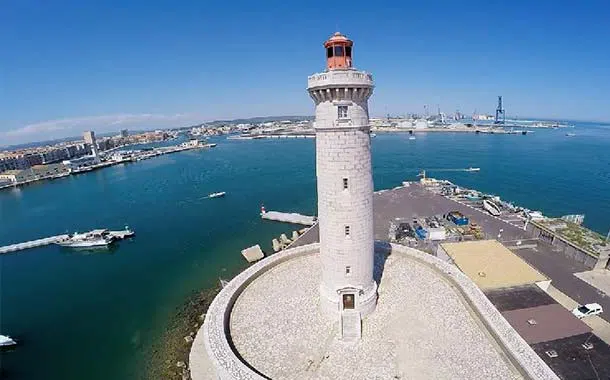
Sete
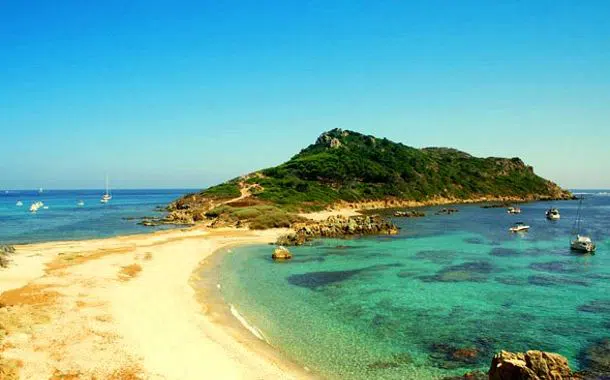
Saint Tropez
The city of Saint-Tropez, in France, reminds us of glamour, glitter, famous people, yachts, white sandy beaches, exclusive clubs and art all at once. This incredible and small city is located in the south of France, on the Mediterranean coast, roughly between Marseille and Nice. During the summer months, Saint-Tropez is full of high society figures from all over the world who come to enjoy a luxury holiday. In summer, tourists increase the city's population by about 10 times more than all year round.
Saint-Tropez is a popular tourist resort, located in the south of France, with a beautiful harbor full of sailboats, elegant yachts, luxury palaces, and movie stars.
St. Tropez, like many port cities, was originally a modest fishing village, became popular when some families from Genoa moved to this country.
This city is the most beautiful and important tourist center on the French Riviera, it owes much of its fame to the French actress Brigitte Bardot. The actress and sex symbol caused a furore with the film "Et Dieu... créa la femme" in 1956.
Millionaires and celebrities from all over the world have since begun to frequent the small peninsula.
For those looking for tranquility and not the classic resort with crowded discos, Saint-Tropez remains a must with its beautiful calm and crystalline beaches.
The city is surprisingly simple, rustic, and traditional in appearance, as in all other places on the French Riviera, especially in its harbor. It is worth taking a walk and enjoying the warm and pleasant climate in summer, especially if the goal is to enjoy a well-deserved vacation.
This place, with its excellent climate and beautiful landscape, attracts many tourists and in addition to this, the city is also famous for its multiple attractions. A feature of the city is certainly the walls that surround its two towers: the Tour Guillaume and the Tour de Portalet. Their structures have allowed the city to protect numerous incursions from the sea. At the entrance to the city, in the old port, dominates the statue of the French Admiral Pierre-André de Suffren, commander and head of the Navy, awarded several times for his exploits, built in 1866. Not to be outdone is the beautiful statue of "Balì dell'Ordine di Malta", produced with bronze from enemy cannons offered by Napoleon III.
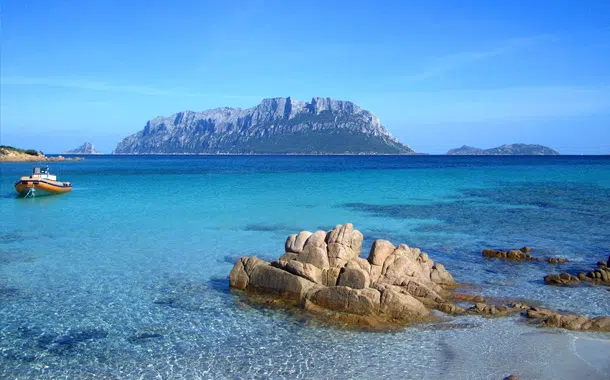
Olbia
Olbia is a municipality in the province of Sassari and it is one of Sardinia's main cities in terms of industrial and economic development. The city is a very important tourist resort: many tourists choose Olbia as a destination for their summer holidays, thanks to its dreamy beaches and resorts such as Porto Rotondo and Portisco. In Olbia, you can visit the Romanesque-style church of San Simplicio and the Baroque-style church of San Paolo.
Olbia offers some of the most beautiful beaches of the island, for example Cugnana and Rena Bianca, where the crystal-clear water and white beaches make them one of the most sought after destinations in the summer.
The city has a port important both for cruise passengers and ferry boat ones: for this reason is linked to the ports of Civitavecchia, Genoa, Livorno and Piombino.
Olbia offers a cozy atmosphere and in the summer it fills up of young peoploe strolling around the streets or drinking with friends in many clubs in the center of the city. In the center of the city, live music or markets that offer typical products or handmade objects can be easily found.
The city is a very important port for both cruise tourism and ferry traffic: it is in fact connected to the port of Civitavecchia, Genoa, Livorno and Piombino.
Olbia offers a welcoming atmosphere and in summer it is populated by young people who walk along the street or drink something in company in the many clubs that are in the center. In the center it is easy to find live music or markets that offer typical products or handmade objects.
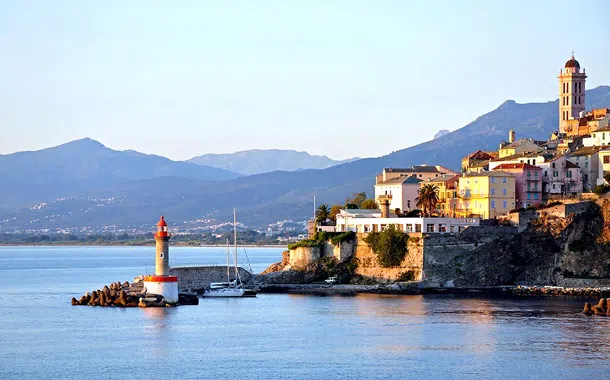
Bastia
Characterized by the numerous constructions in Italian style dating back to the 19th century, overlooking the delightful old port; Bastia competes with Ajaccio for the title of most beautiful city in Corsica.
With its colorful mix of popular buildings built on the hillside and the charming old port, Bastia is somewhat like a miniature version of Marseille: a thriving, lively city that is not spoiled by too many tourists. Bask in the Mediterranean sun, stroll through the city's narrow streets crowned by a 15th-century citadel.
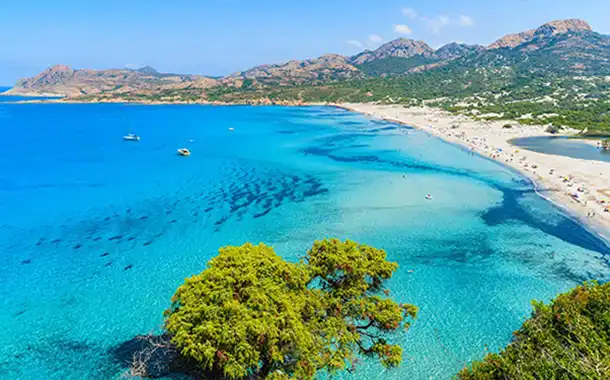
Calvi
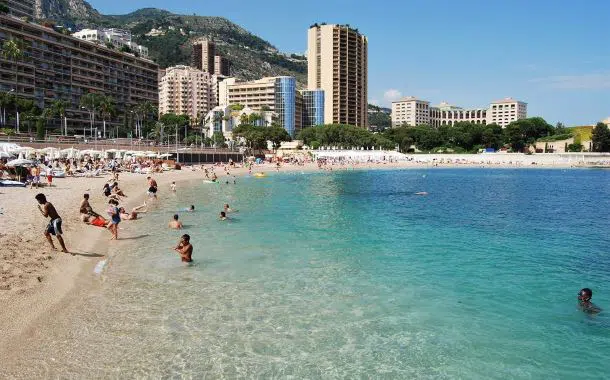
Montecarlo
Monte Carlo (in French Monte-Carlo, in Monegasque Monte-Carlu), sometimes referred to as Montecarlo, is the central part of the city-state of the Principality of Monaco, and constitutes one of its four traditional districts. Monte Carlo is known for its casino, beaches, skyscrapers, fashion, and for being the chosen residence of several famous personalities.
The Monte-Carlo district is bordered to the northeast by the Larvotto and La Rousse / Saint Romain districts, to the northwest by the La Condamine and Saint Michel districts, and to the north by France, now forming a single urban agglomeration with the French commune of Beausoleil.
Montecarlo is known for its casino, beaches, skyscrapers, fashion and for being elected as a place of residence by several famous people.
The Monte-Carlo district borders the Larvotto and La Rousse / Saint Romain districts to the north-east, the La Condamine and Saint Michel districts to the north-west and France to the north, now constituting a single urban agglomeration with the French municipality of Beausoleil.
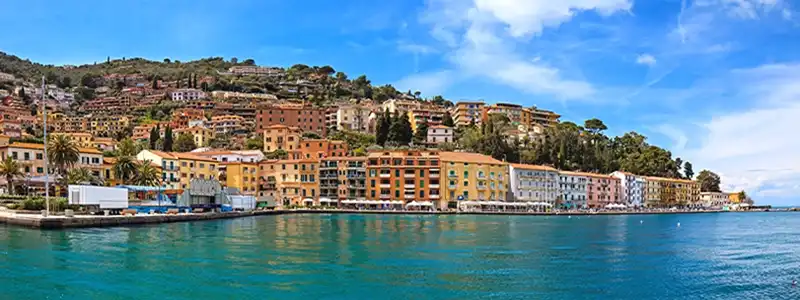
Porto Santo Stefano
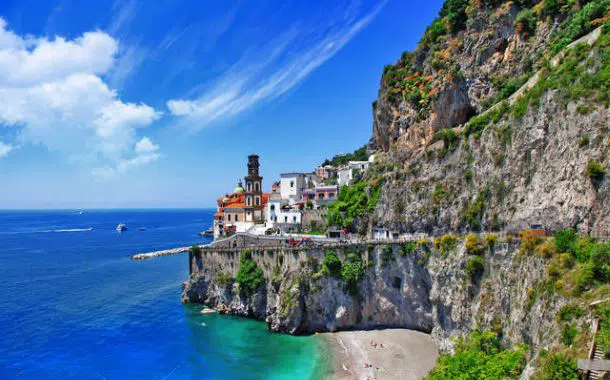
Salerno
Salerno is an Italian municipality with 133,693 inhabitants, capital of the province of the same name in Campania, the second municipality in the region by number of inhabitants and the thirtieth at national level. The city of Salerno occupies a spectacular position overlooking the Gulf, where the splendid Amalfi Coast is located, a famous tourist destination in Italian Campania. It has a rich history and a deep-rooted tradition.
During the Middle Ages the city was the capital of the homonymous Lombard principality and then of the Norman duchy of Puglia and Calabria which included a large part of the continental South and was the original nucleus of the future Kingdom of Naples and the Two Sicilies.
Salerno was home to the School of Medicine, which was the first and most important medical institution in Europe at the beginning of the Middle Ages and as such is considered by many a forerunner of modern universities. Ideal heir to the famous medical school is the University of Salerno, located since 1988, in the form of a campus, in the neighboring municipalities of Fisciano and Baronissi.
From February to August 1944 Salerno was the seat of the Italian government,[10] hosting the governments Badoglio I, Badoglio II and Bonomi II which led to the Turn of Salerno.
Starting from the second half of the nineties, the city began a series of policies aimed at improving livability, urban decor and projecting, especially as regards tourism, Salerno at national and international level. The city is therefore a candidate to become one of the poles of cruise tourism and contemporary architecture, hosting works by the greatest architects of the 21st century, such as Fuksas, Zaha Hadid, Bohigas, Chipperfield, Calatrava and Bofill.
Giardini-Naxos
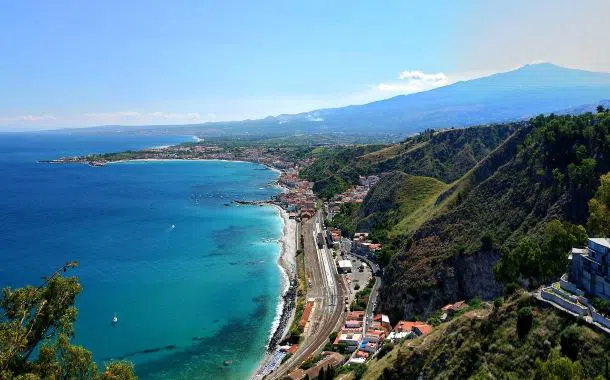
Giardini-Naxos (Giaddini or Giaddina in Sicilian) is an Italian municipality in the province of Messina in Sicily. Formerly called Nasso, it is 40 km from Messina and 39 km from Catania. In 1978, "Naxos" was added to the old name of the town ("Giardini").
Valletta
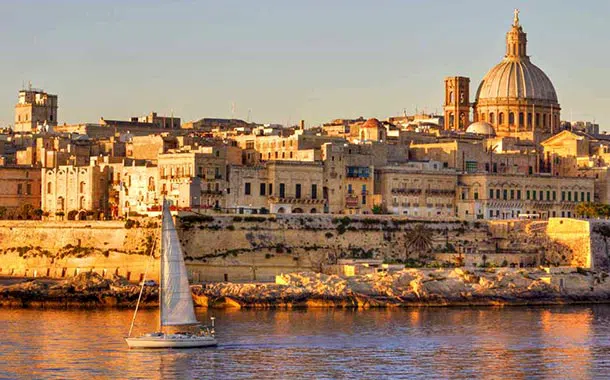
Malta is one the smallest States in the Mediterranean. Few European countries have such a concentration of history, architecture and, beautiful beaches in such a small area. Malta is one of the most concentrated areas of historical interest anywhere in the world, for this reason it was called La Valletta when Unesco awarded it the title of World Heritage Site. The city is therefore the ideal city for art lovers and it is renowned for its massive fortifications and architectural excellence.One of the most concentrated areas of historical interest elements in the world, so La Valletta was described when Unesco awarded it the title of world heritage site, the city is therefore a guarantee for art lovers and certainly renowned for its massive fortifications and architectural excellence.
Kotor
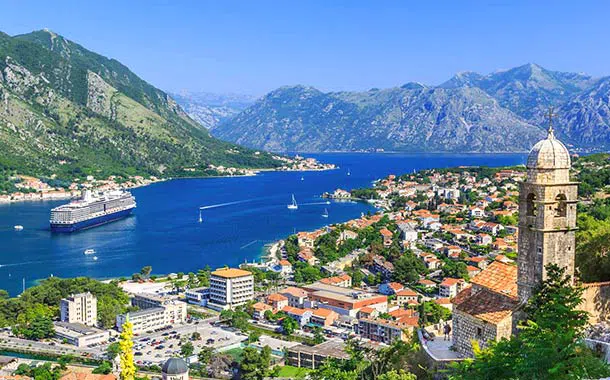
The Adriatic Sea penetrates the jagged coast of Montenegro and winds between high mountains until it meets the exquisite and walled medieval city of Kotor.
Along the Adriatic coast of the former Yugoslavia, we find one of the most unique and fascinating European coastal areas, the city hidden in Montenegro, Kotor.
Located at the bottom of a bay, the beautiful medieval city of Kotor is considered a Mediterranean location surrounded by cliffs and an interesting historic wall. The tourist attractions of Kotor are easily reached with a pleasant walk. This small walled city, declared a UNESCO World Heritage Site, has compact dimensions that make it comfortable and easy to visit.
The central part of Kotor was built between the XII and XIV centuries. A historic center surrounded by a rather thick wall, four and a half kilometers long and fifteen meters high. This immense fortified wall reaches the bastion of Sveti Ivan (San Giovanni).
Inside the walls, it preserves an urban network cut into the stone. Its most emblematic work is the Cathedral of San Trifone, built in the 12th century. Inside the church it contains objects and frescoes sculpted during the 14th century. Furthermore, The Orthodox Church of San Nicolas, built between 1902 and 1909 in neo-Byzantine style and that of San Luca (13th century) built in Romanesque and Byzantine style.
Together with the churches, the city includes many palaces that tell its history: the Maritime Museum, located in the Grgurina Palace, a splendid baroque building located in the historic center of the country. The Drago house, with its beautiful Gothic windows, the Prima building, where Renaissance and Baroque lines are combined, the Ducal Palace and the Bizanti, both from the 17th century and the Napoleonic theater in the 19th century.
In Kotor, it is very common to see locals located along the rocky coast in the lower part of the city. In the old part of the area you will find many shops and restaurants that will delight your eyes. This location is the classic ideal city to spend quiet days or for a romantic getaway.
Dubrovnik
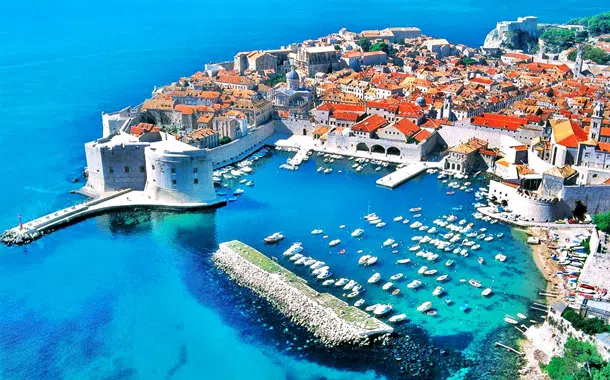
Dubrovnik is definitely special. A magnificent curtain wall surrounds marble streets and Baroque buildings exude a pearly light in the Adriatic sun.
Picturesque and artistic, Dubrovnik is a tourist hotspot and port in southern Dalmatia, at the foot of the Srđ mountain. From a historical and cultural point of view, it has been included in the list of UNESCO World Heritage Sites.
Thanks to its beauty and everything it has on offer for tourists, Dubrovnik is one of the most attractive destinations in the Mediterranean, so much so that the city can be visited all year round. In addition to its world-famous architectural heritage, this place has beautiful rocky beaches, pebble beaches and sandy beaches, enjoys a Mediterranean climate and also has lush vegetation. The main pedestrian street, Placa, is a melange of cafes and shops with monuments at each end.
Churches, monasteries and museums adorned with finely carved stone, recall an eventful history and a rich artistic tradition. Beyond the city there is a paradise of beaches, wooded peninsulas and a crystal-clear sea dotted with lush islands.
The city is also known for its delicious cuisine and its infrastructure of hotels for tourists. The city offers a wide selection of first-class restaurants, numerous sport and leisure activities, as well as cultural and entertainment events
Kotor
The Adriatic Sea penetrates the jagged coast of Montenegro and winds between high mountains until it meets the exquisite and walled medieval city of Kotor.
Along the Adriatic coast of the former Yugoslavia, we find one of the most unique and fascinating European coastal areas, the city hidden in Montenegro, Kotor.
Located at the bottom of a bay, the beautiful medieval city of Kotor is considered a Mediterranean location surrounded by cliffs and an interesting historic wall. The tourist attractions of Kotor are easily reached with a pleasant walk. This small walled city, declared a UNESCO World Heritage Site, has compact dimensions that make it comfortable and easy to visit.
The central part of Kotor was built between the XII and XIV centuries. A historic center surrounded by a rather thick wall, four and a half kilometers long and fifteen meters high. This immense fortified wall reaches the bastion of Sveti Ivan (San Giovanni).
Inside the walls, it preserves an urban network cut into the stone. Its most emblematic work is the Cathedral of San Trifone, built in the 12th century. Inside the church it contains objects and frescoes sculpted during the 14th century. Furthermore, The Orthodox Church of San Nicolas, built between 1902 and 1909 in neo-Byzantine style and that of San Luca (13th century) built in Romanesque and Byzantine style.
Together with the churches, the city includes many palaces that tell its history: the Maritime Museum, located in the Grgurina Palace, a splendid baroque building located in the historic center of the country. The Drago house, with its beautiful Gothic windows, the Prima building, where Renaissance and Baroque lines are combined, the Ducal Palace and the Bizanti, both from the 17th century and the Napoleonic theater in the 19th century.
In Kotor, it is very common to see locals located along the rocky coast in the lower part of the city. In the old part of the area you will find many shops and restaurants that will delight your eyes. This location is the classic ideal city to spend quiet days or for a romantic getaway.
Brindisi
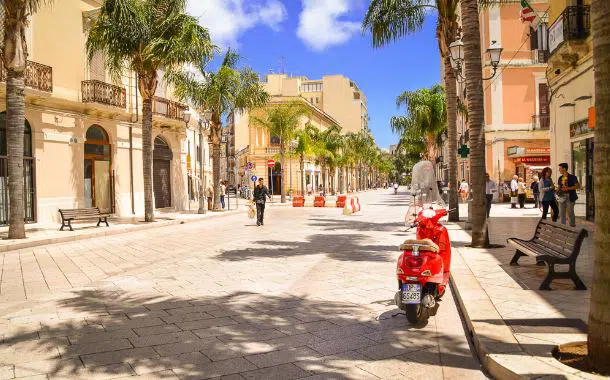
Many cruise ships, whose destination are Greek Islands, Croatia and Venice, set sail from Bari. On Taoticket you will find all departures on offer from Brindisi for a fairytale cruise in the Adriatic Sea.
Located in Salento plain along the Adriatic Sea, Brindisi has a magnificent natural port. The province of Brindisi stretches from the coast to the Adriatic Sea and includes areas of great historical interest. For instance, Via Traiana, the eastern part of the Itria Valley or the Roman road of Via Appia, the oldest road of the Roman Empire. In addition, Greece, Turkey and Albania can be easily reached from Brindisi by sea. The main trade traffic concerns coal, fuel oil, natural gas and chemicals.
If your cruise ship sets sail from Brindisi, do not miss the opportunity to visit this beautiful city in Puglia. We recommend you to visit the church of San Benedetto with its bell tower in Apulian Romanesque style, built around 1090 for the Benedictine nuns of Salento.
Do not a performance of the traditional dance of these lands: the pizzica. Its origins date back to the the cult of tarantismo, the belief that some women suffering from hysteria had been bitten by a tarantula. The only way to recover was to dance the pizzica continuously for days accompanied by the rhythm of tambourines, violins and mandolins. Nowadays pizzica is often still danced by young and old locals. There are many shows and artistic events you can attend, especially in the summer months. The traditional cuisine of Brindisi is made up of peasant elements such as barley flour and rich in blue fish, once undervalued but very nutritious. Stop here and try the famous fish soup with a glass of Negroamaro and your cruise will be tastier.
Brindisi: A Historical Gateway to the EastSet sail from Brindisi, a city in Puglia, Italy, steeped in history and serving as an ancient gateway to the East. With its Roman columns, charming waterfront, and historical churches, Brindisi offers a captivating starting point for your cruise. Explore its rich past, enjoy fresh seafood, and soak in the laid-back Southern Italian atmosphere before embarking on a journey across the Adriatic and Ionian seas. This vibrant port is your perfect introduction to a world of maritime adventure and cultural discovery.
Unveiling New Horizons from BrindisiCruises departing from Brindisi invite you to explore diverse and enchanting destinations, from the sun-kissed islands of Greece to the picturesque coasts of Albania and Montenegro. Whether you seek ancient historical sites, bustling markets, or tranquil beaches, Brindisi provides excellent access to a variety of compelling itineraries. Enjoy the convenience of a well-located port and the anticipation of new discoveries as you leave the heel of Italy behind for unforgettable experiences on the open water, promising relaxation and endless exploration.
Korfu
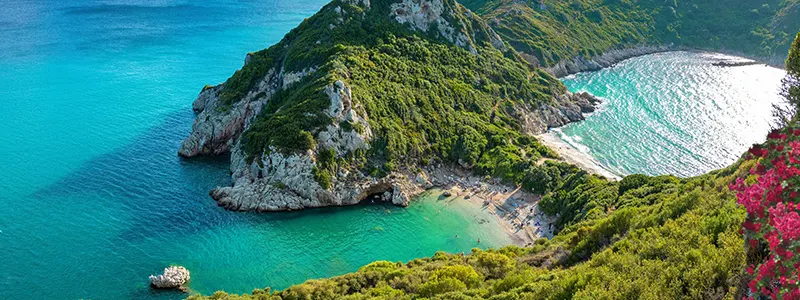
Corfù is a Greek island in the Ionian Sea, located off the northwestern coast of Greece and south of Albania. The Greek island is a natural paradise. It is the second largest island of Greece, with 220 km of coastline. Its geography is dominated by mountain ranges and reaching 1000 meters above sea level, you will find Mont Pantokrator.
This mountain divides the island into three different areas. The northern area, abundant in olive groves, features green valleys and coastlines that form both small and large bays. The central part, the most populous and important, is covered by dense vegetation and lush hills.
The southern area consists of a large plain with less vegetation than the other regions but is decidedly more fertile. The most lively part of the city is found at Liston, similar to Paris’ Rue de Rivoli- a grand avenue lined with beautiful cafes and excellent restaurants. On the other hand, the island also has beautiful beaches washed by the Ionian Sea.
One of the most beautiful walks in the capital is along the harbor promenade, next to the city walls, where you can contemplate the view of the city. Corfù was the first Greek Island to open its doors to tourism, becoming an important international tourist centre that attracts many visitors every year. Even if tourism is evident in the coastal areas, the island has managed to preserve its authenticity.
Itea
Athens
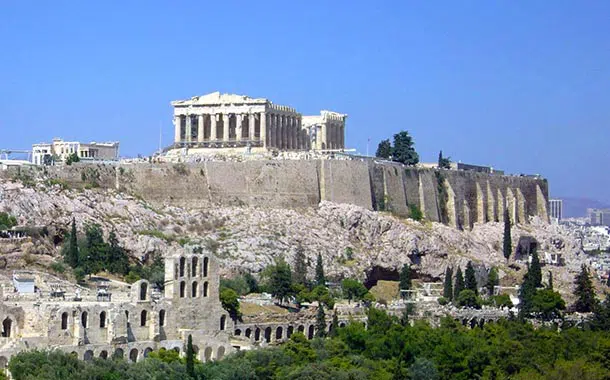
For many, Athens is a city lived two thousand five hundred years ago. Symbol is the mighty Acropolis which dominates almost every view and itinerary of every visitor, crowned by the iconic Parthenon, stands above the city, watching the sprawling modern metropolis in evolution.
Athens, the capital of Greece, is a city where antiquity and modernity, history and contemporary culture blend in a unique way. Everyone knows that the name of the city derives from the ancient Greek goddess of wisdom and justice. However, few people actually know the legend behind this event. According to myth, Athena and Poseidon, the God of the seas, vied for the right to name the city. Poseidon, to impress the inhabitants, gave them water, while Athena gave them an olive branch.
At first the choice fell on Poseidon, since the citizens considered water the most precious gift. When, once they tasted the water, they discovered that it was salty and not drinkable, they changed their minds and recognized Athena as their patron. One of the most famous historical sites in the city is the Acropolis, a majestic hill topped by ancient Doric temples, including the Parthenon, built in 477 BC. and the Erechtheion, built between 421 and 406 BC. Climbing the Acropolis, tourists can enjoy a breathtaking view of the city and the Aegean Sea. However, Athens is not only history, but also a lively cultural capital. In the Plaka district, located at the foot of the Acropolis, it is possible to stroll through the welcoming streets, visit the traditional Greek taverns and enjoy the authentic atmosphere.
Then there are the numerous cultural activities offered by the numerous museums, galleries and theaters present in the city. Athens is an important port for cruise ships that offer trips to the Mediterranean and beyond. Cruises from Athens allow guests to explore the rich cultural heritage of Greece, including the islands of Crete, Santorini and Mykonos, where you can admire the crystal clear waters of the Aegean Sea and a coast of white houses.
In addition to the Greek islands, cruises from Athens also offer the opportunity to visit other exciting Mediterranean destinations, including historic cities in Italy, Croatia and Turkey. Athens is therefore not only the historical and cultural center of Greece, but also an important starting point for cruises in the Mediterranean, which offers guests the opportunity to immerse themselves in the great history and splendid landscapes of this unique region.
Many still think of Athens as an ancient city that thrived two and a half thousand years ago. Its symbol is the mighty Acropolis, which dominates almost every view and the itinerary of every visitor, and it is crowned by the iconic Parthenon, which rises above the city, overlooking the sprawling and evolving modern metropolis.
Perhaps the most significant change is in the historical centre, which is almost unrecognisable since cars have been banned. This has liberated the area with the most significant archaeological sites, creating the longest, and undoubtedly one of the most splendid, pedestrianised zones in Europe. This huge archaeological park has brought past and present together, returning the cultural and social life of the city to the area around the ancient monuments and surrounding neighbourhoods.
Athens remains a city of contradictions; it is both frustrating and seductive. It is the oldest city in Europe, yet still in a state of transition. It is one of the safest and most vibrant European cities - an intoxicating mix of grunge and grace with an undeniably urban soul.
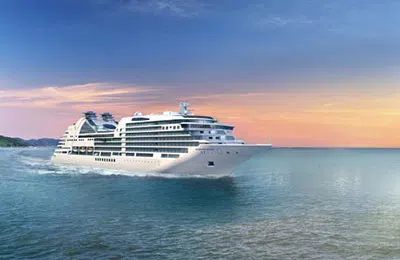
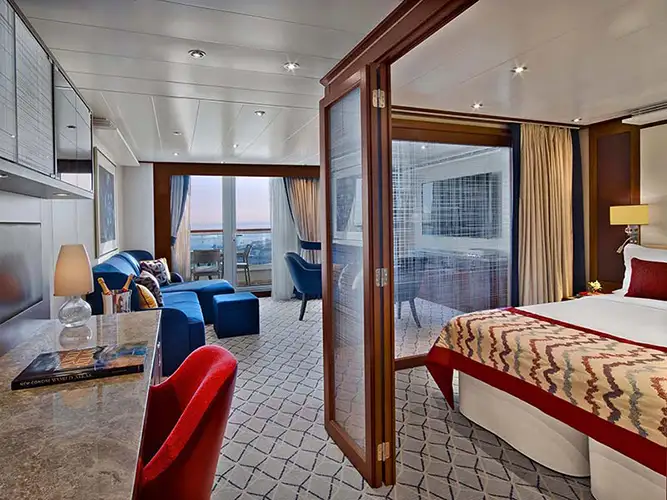
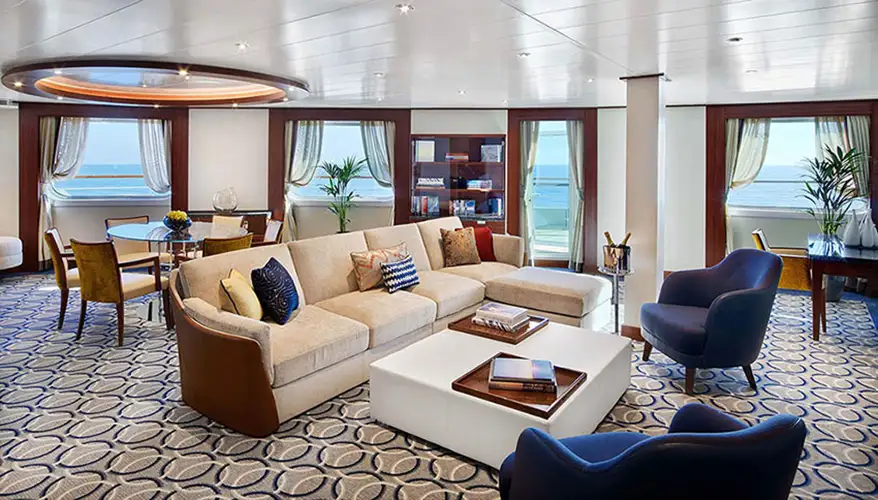
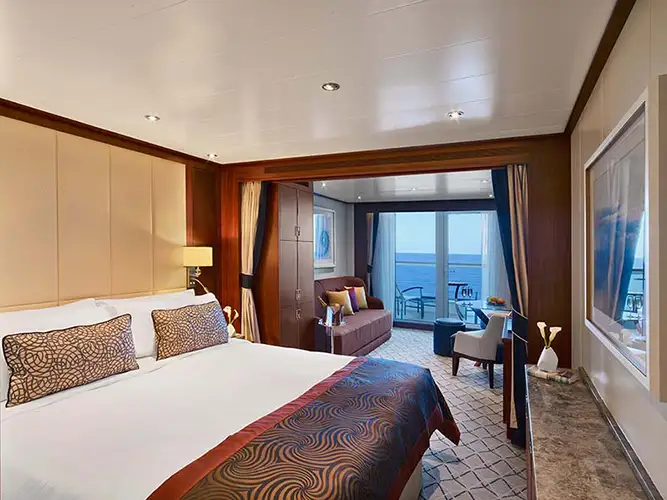
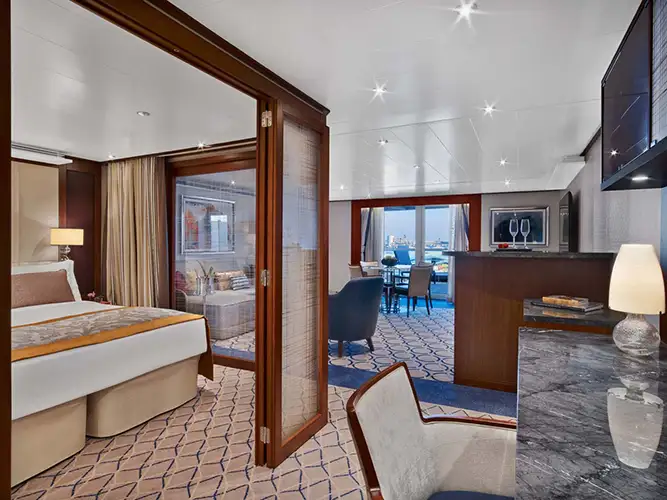
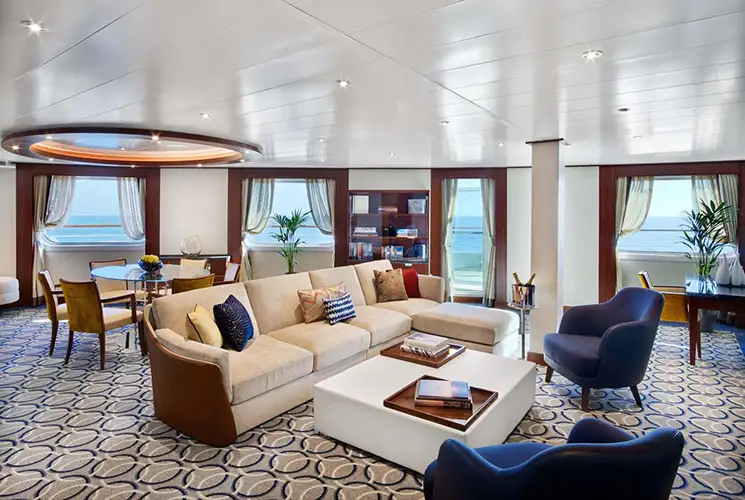
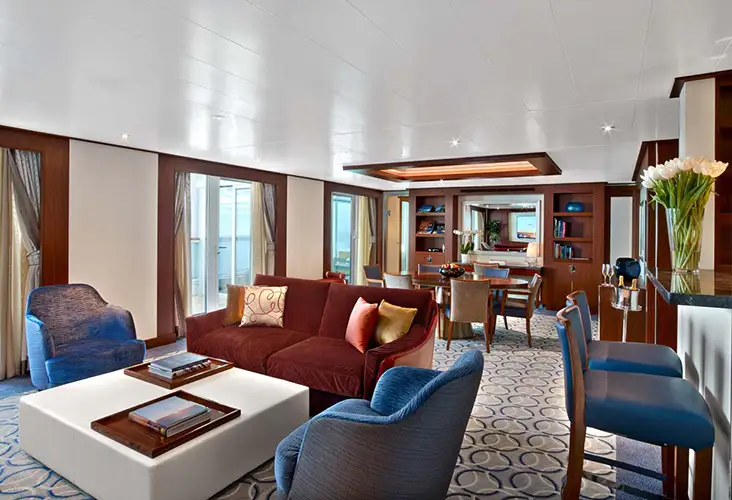
Info on the ship Seabourn Ovation