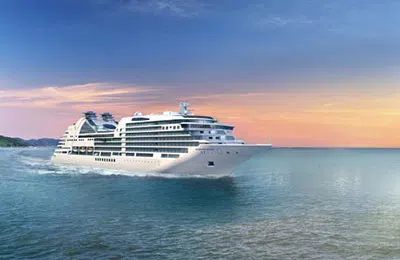
Seabourn Mediterranean: 14 nights from Dubrovnik with Seabourn Ovation
Sep 16, 2028
Croatia, Slovenia, Montenegro, Malta, Italy


Cruise itinerary
Departure Port: Dubrovnik ➞
Landing: Civitavecchia
-
 Saturday, September 16, 2028 - 11:00 PMDubrovnik
-
Sunday, September 17, 2028 8:00 AM - 6:00 PMHvar
-
Monday, September 18, 2028 8:00 AM - 6:00 PMZadar
-
Tuesday, September 19, 2028 8:00 AM - 6:00 PMKoper
-
Wednesday, September 20, 2028 8:00 AM - 6:00 PMRijeka
-
 Thursday, September 21, 2028Navigation
 -
Friday, September 22, 2028 8:00 AM - 6:00 PMKotor
-
Saturday, September 23, 2028 7:00 AM - 11:00 PMDubrovnik
-
Sunday, September 24, 2028 8:00 AM - 6:00 PMKotor
-
Monday, September 25, 2028Navigation
-
Tuesday, September 26, 2028 8:00 AM - 6:00 PMValletta
-
Wednesday, September 27, 2028 8:00 AM - 6:00 PMGiardini-Naxos
-
Thursday, September 28, 2028 8:00 AM - 6:00 PMPalermo
-
Friday, September 29, 2028 7:00 AM - 5:00 PMSalerno
-
Saturday, September 30, 2028 7:00 AMCivitavecchia
Dubrovnik
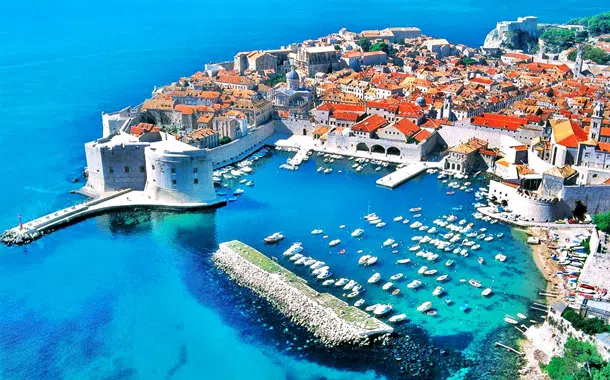
Dubrovnik is definitely special. A magnificent curtain wall surrounds marble streets and Baroque buildings exude a pearly light in the Adriatic sun.
Picturesque and artistic, Dubrovnik is a tourist hotspot and port in southern Dalmatia, at the foot of the Srđ mountain. From a historical and cultural point of view, it has been included in the list of UNESCO World Heritage Sites.
Thanks to its beauty and everything it has on offer for tourists, Dubrovnik is one of the most attractive destinations in the Mediterranean, so much so that the city can be visited all year round. In addition to its world-famous architectural heritage, this place has beautiful rocky beaches, pebble beaches and sandy beaches, enjoys a Mediterranean climate and also has lush vegetation. The main pedestrian street, Placa, is a melange of cafes and shops with monuments at each end.
Churches, monasteries and museums adorned with finely carved stone, recall an eventful history and a rich artistic tradition. Beyond the city there is a paradise of beaches, wooded peninsulas and a crystal-clear sea dotted with lush islands.
The city is also known for its delicious cuisine and its infrastructure of hotels for tourists. The city offers a wide selection of first-class restaurants, numerous sport and leisure activities, as well as cultural and entertainment events
Hvar
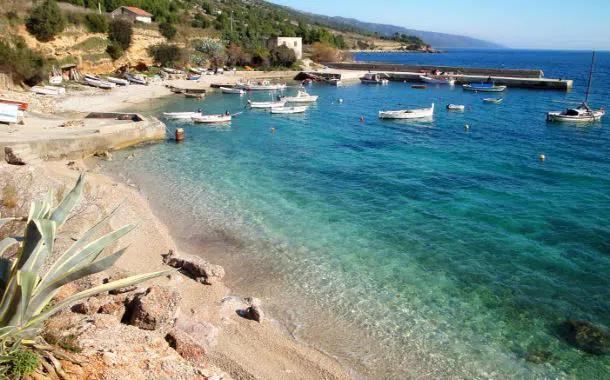
Located on the Adriatic Sea, the island of Lesina is one of the largest islands overlooking the Croatian coast. An ancient city with a rich past, it is located on the west side of the island, towards the south. A popular tourist destination, not only in summer but also in spring and autumn, it becomes the most visited destination in Croatia.
During your stay in Lesina, you can discover the richness of its natural heritage: the island is well-equipped with a series of caves, some of which are completely uninhabited.
Do not forget to visit the various monuments such as the imposing fortress, built in the early 16th century and restored in 1579, following an explosion, which offers extraordinary panoramic views of the city of Lesina and the Pakleni islands. Other significant monuments are: The Cathedral of San Stjepan, located on the east side of the main square of the city, the Arsenal, the oldest public theater built in 1612, the Franciscan monastery, now a museum and gallery of rarities, and many other works that testify to the turbulent past of the Nation. In this country, you will find a transparent and crystalline sea with small beaches of sand and rocks. In front of the bay of Lesina you will find the "Infernal" islands, where you will meet the most beautiful beaches.
The city is connected to the islands by regular ferry lines. Sports and leisure lovers can go trekking, scuba diving, numerous water activities, walking, playing football, handball, volleyball, basketball, and tennis. The nightlife of the city of Hvar is more active in Dalmatia. You can relax among enchanting beaches, watching shows, exhibitions, concerts, musical, and folklore events.
Zadar
Thanks to its geographical position, its beaches and attractive environment Zadar is an ideal destination for visiting the Dalmatia. Icing on the cake: the sunset would be the best in the world according to Alfred
Hitchcock.
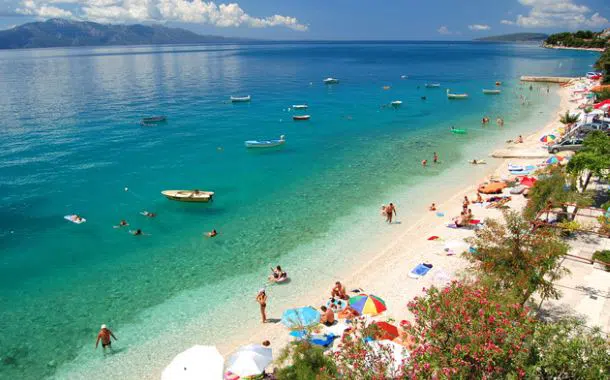
Regional capital of northern Dalmatia, Zadar is a small coastal city in Croatia protected by lots of islands of the Kornati archipelago, one of the largest in the Mediterranean. If you want to enjoy your stay in this enchanting country, May, June and September are the most ideal times. A peaceful atmosphere is emanated from this ancient walled city. Surrounded by the sea and numerous pebble beaches, in the territory there are many national parks, in particular the most notably are the Plitvice Lakes, the Krka waterfalls and Velibit Mountain. Even after getting to know the city, you can admire the islands of the Kornati National Park, where you will find a labyrinth of untouched oases. This blessed place of the gods is ideal for diving and snorkling.
The surprising feature of Zadar: it is the only city in the world with a
marine 'organ', the waves produce a sound similar to the instrument used in the church. This is a further reason to discover this city rich in history and full of charm. This island has been inhabitaed for more that three decades, this is testifyed by its magnificent historical and archelogist ruins for example the 9th century monastery of San Donato, the 16th century Venetian bastions or the Porta della Terraferma, both Venetian. The central arch is decorated with a statue of St Chrysogonus, the patron saint of the city, these are just some of the places to visit. If you also plan to have fun, you will find several summer cultural events here, including Zara of Dreams or the musical nights of San Donato. For party-goers, we recommend one of the most famous clubs in Croatia, the Hacienda, which always hosts famous DJs and it is located between Zadar and Šibenik. While for liquors lovers, especially local ones, you can enjoy a typical local Maraschino in the evening.
The capital of Dalmatia, Zadar, is a small coastal city, located in Croatia and protected by numerous islands of the Kornati archipelago, one of the largest in the Mediterranean. If you want to enjoy your stay in this enchanting country, May, June, and September are the most ideal period. In this ancient walled city emanates a peaceful atmosphere. Surrounded by the sea and numerous pebble beaches, the territory has various national parks, in particular, the Plitvice Lakes, the Krka waterfalls, or the Velibit mountain. Even after knowing the city, you can contemplate the islands of the Kornati National Park, where you will find a labyrinth of pristine oases. This place blessed by the gods is ideal for diving and snorkeling. The striking feature of Zadar: it is the only city in the world with a "sea organ", the waves produce a sound similar to that of the instrument used in the church. One more reason to discover this coastal city rich in history and full of charm. This region has been inhabited for more than three millennia, as evidenced by the magnificent historical and archaeological finds. The monastery of San Donato of the 9th century, the Venetian bastions of the 16th century or the Porta della Terraferma, also Venetian. The central arch is decorated with a statue of San Crisogono, patron saint of the city, these are just some of the places to visit. If you also plan to have fun, here you will find several summer cultural events including Zadar of Dreams or the musical nights of San Donato. For partygoers, we recommend one of the most famous clubs in Croatia, Hacienda which always hosts well-known DJs, is located between Zadar and Sibenik. While for lovers of liqueurs, especially the local ones, in the evening you can enjoy a Maraschino typical of the area.
Koper
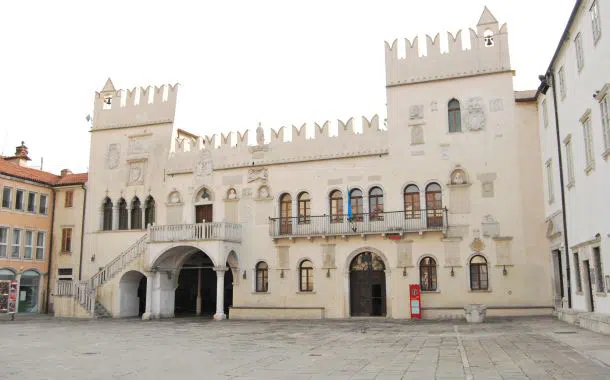
Koper (in Slovenian Koper, in Croatian Kopar, in German Gafers) is a city in Slovenia with 24,864 inhabitants, the capital of the Municipality of Koper (53,322 inhabitants) and the country's main port; it overlooks the Adriatic Sea. Among the main places of interest in Koper are the Praetorian Palace from the 15th century, in Venetian Gothic style, the Carmine Rotunda church from the 12th century, and the cathedral of San Nazario with its bell tower (55 m) from the 14th century. Koper is a bishopric with the Diocese of Koper, a suffragan of the Archdiocese of Ljubljana.
Rijeka
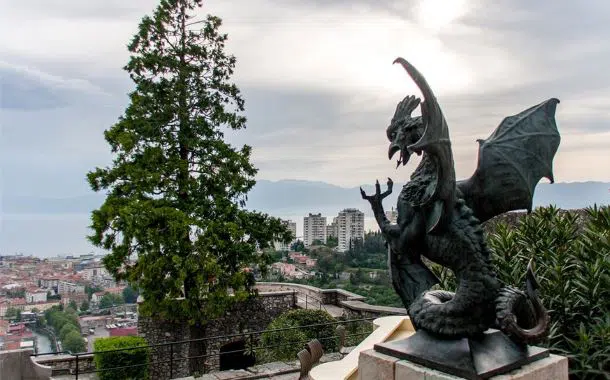
Rijeka is a Croatian seaport and city located in the Gulf of Kvarner, on the Adriatic coast. It is the third largest city in the country.
Before being annexed to the Yugoslav Republic in the twentieth century, it underwent Austro-Hungarian and later Italian dominations at the end of the nineteenth century. Today, the country has an excellent shipbuilding industry.
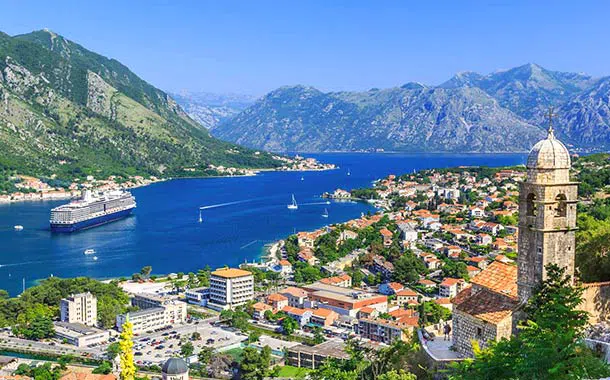
Kotor
The Adriatic Sea penetrates the jagged coast of Montenegro and winds between high mountains until it meets the exquisite and walled medieval city of Kotor.
Along the Adriatic coast of the former Yugoslavia, we find one of the most unique and fascinating European coastal areas, the city hidden in Montenegro, Kotor.
Located at the bottom of a bay, the beautiful medieval city of Kotor is considered a Mediterranean location surrounded by cliffs and an interesting historic wall. The tourist attractions of Kotor are easily reached with a pleasant walk. This small walled city, declared a UNESCO World Heritage Site, has compact dimensions that make it comfortable and easy to visit.
The central part of Kotor was built between the XII and XIV centuries. A historic center surrounded by a rather thick wall, four and a half kilometers long and fifteen meters high. This immense fortified wall reaches the bastion of Sveti Ivan (San Giovanni).
Inside the walls, it preserves an urban network cut into the stone. Its most emblematic work is the Cathedral of San Trifone, built in the 12th century. Inside the church it contains objects and frescoes sculpted during the 14th century. Furthermore, The Orthodox Church of San Nicolas, built between 1902 and 1909 in neo-Byzantine style and that of San Luca (13th century) built in Romanesque and Byzantine style.
Together with the churches, the city includes many palaces that tell its history: the Maritime Museum, located in the Grgurina Palace, a splendid baroque building located in the historic center of the country. The Drago house, with its beautiful Gothic windows, the Prima building, where Renaissance and Baroque lines are combined, the Ducal Palace and the Bizanti, both from the 17th century and the Napoleonic theater in the 19th century.
In Kotor, it is very common to see locals located along the rocky coast in the lower part of the city. In the old part of the area you will find many shops and restaurants that will delight your eyes. This location is the classic ideal city to spend quiet days or for a romantic getaway.
Dubrovnik
Dubrovnik is definitely special. A magnificent curtain wall surrounds marble streets and Baroque buildings exude a pearly light in the Adriatic sun.
Picturesque and artistic, Dubrovnik is a tourist hotspot and port in southern Dalmatia, at the foot of the Srđ mountain. From a historical and cultural point of view, it has been included in the list of UNESCO World Heritage Sites.
Thanks to its beauty and everything it has on offer for tourists, Dubrovnik is one of the most attractive destinations in the Mediterranean, so much so that the city can be visited all year round. In addition to its world-famous architectural heritage, this place has beautiful rocky beaches, pebble beaches and sandy beaches, enjoys a Mediterranean climate and also has lush vegetation. The main pedestrian street, Placa, is a melange of cafes and shops with monuments at each end.
Churches, monasteries and museums adorned with finely carved stone, recall an eventful history and a rich artistic tradition. Beyond the city there is a paradise of beaches, wooded peninsulas and a crystal-clear sea dotted with lush islands.
The city is also known for its delicious cuisine and its infrastructure of hotels for tourists. The city offers a wide selection of first-class restaurants, numerous sport and leisure activities, as well as cultural and entertainment events
Kotor
The Adriatic Sea penetrates the jagged coast of Montenegro and winds between high mountains until it meets the exquisite and walled medieval city of Kotor.
Along the Adriatic coast of the former Yugoslavia, we find one of the most unique and fascinating European coastal areas, the city hidden in Montenegro, Kotor.
Located at the bottom of a bay, the beautiful medieval city of Kotor is considered a Mediterranean location surrounded by cliffs and an interesting historic wall. The tourist attractions of Kotor are easily reached with a pleasant walk. This small walled city, declared a UNESCO World Heritage Site, has compact dimensions that make it comfortable and easy to visit.
The central part of Kotor was built between the XII and XIV centuries. A historic center surrounded by a rather thick wall, four and a half kilometers long and fifteen meters high. This immense fortified wall reaches the bastion of Sveti Ivan (San Giovanni).
Inside the walls, it preserves an urban network cut into the stone. Its most emblematic work is the Cathedral of San Trifone, built in the 12th century. Inside the church it contains objects and frescoes sculpted during the 14th century. Furthermore, The Orthodox Church of San Nicolas, built between 1902 and 1909 in neo-Byzantine style and that of San Luca (13th century) built in Romanesque and Byzantine style.
Together with the churches, the city includes many palaces that tell its history: the Maritime Museum, located in the Grgurina Palace, a splendid baroque building located in the historic center of the country. The Drago house, with its beautiful Gothic windows, the Prima building, where Renaissance and Baroque lines are combined, the Ducal Palace and the Bizanti, both from the 17th century and the Napoleonic theater in the 19th century.
In Kotor, it is very common to see locals located along the rocky coast in the lower part of the city. In the old part of the area you will find many shops and restaurants that will delight your eyes. This location is the classic ideal city to spend quiet days or for a romantic getaway.
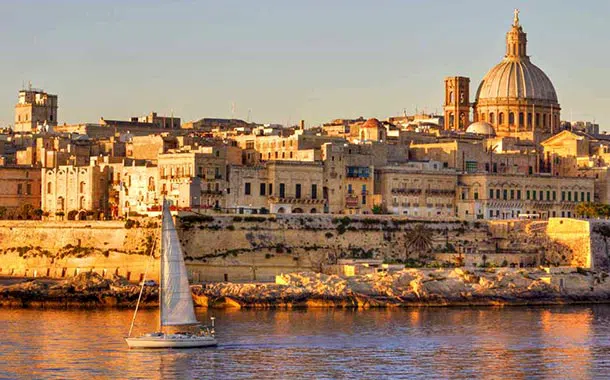
Valletta
Malta is one the smallest States in the Mediterranean. Few European countries have such a concentration of history, architecture and, beautiful beaches in such a small area. Malta is one of the most concentrated areas of historical interest anywhere in the world, for this reason it was called La Valletta when Unesco awarded it the title of World Heritage Site. The city is therefore the ideal city for art lovers and it is renowned for its massive fortifications and architectural excellence.One of the most concentrated areas of historical interest elements in the world, so La Valletta was described when Unesco awarded it the title of world heritage site, the city is therefore a guarantee for art lovers and certainly renowned for its massive fortifications and architectural excellence.
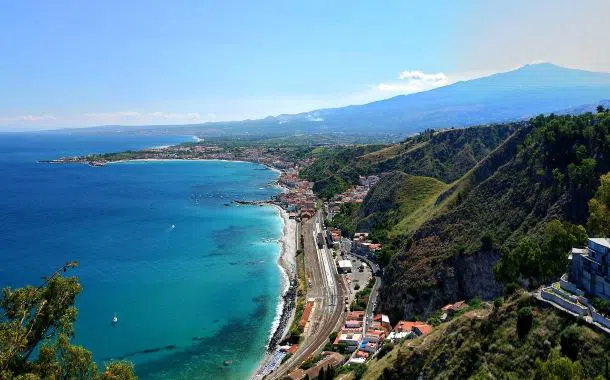
Giardini-Naxos
Giardini-Naxos (Giaddini or Giaddina in Sicilian) is an Italian municipality in the province of Messina in Sicily. Formerly called Nasso, it is 40 km from Messina and 39 km from Catania. In 1978, "Naxos" was added to the old name of the town ("Giardini").
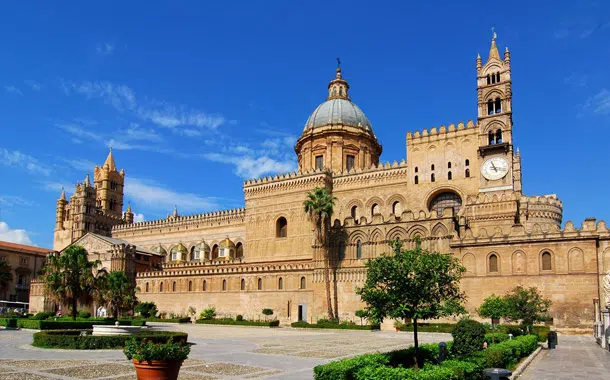
Palermo
Cruises from Palermo all year round, set sail from the Sicialian capital to discover the Mediterranean Sea at the best price with Taoticket's offers. Cruises that embark from Palermo will surprise you!
Palermo is a thousand-year-old city with an important artistic and architectural heritage. Once Palermo was a prestigious center in the Mediterranean and still today it shows the charm and grandeur of its past grandeur combined with the natural beauty that surrounds it.
Sicily's capital offers excellent gastronomy to its visitors, beautiful landscapes, monuments and much more. If you are walking along its streets and you want to have a snack, you will discover that Palermo is renowned for its delicious street food: try the Martorana marzipan fruit or try a panelle sandwich, you will not be disappointed!
Theatre lovers should not miss a performance by the Pupi Siciliani, puppets that perform Carolingian-style pieces and that have been considered a Unesco Oral and Intangible Heritage of Humanity since 2008. The main characters are Charlemagne and all his paladins and adversaries.
Characteristic is the fixed market of Ballarò, where you will find fresh, seasonal foodstuffs and be immersed in the city's noisy and truest atmosphere. The inhabitants of Palermo frequent this market daily, either for shopping or for a lunch break with ready-made regional dishes. We recommend visiting the city especially in autumn or spring when the heat is not excessive and walking through the sunny streets is a real pleasure! Set sail on a cruise from Palermo on board the best ships for a fun and carefree cruise with our offers!
Palermo: Sicily's Vibrant Gateway to the MediterraneanSet sail from Palermo, Sicily's captivating capital, a city rich in history, art, and vibrant street life. With its stunning Norman cathedrals, bustling markets, and unique blend of architectural styles, Palermo offers a truly immersive cultural experience before your cruise. Before stepping aboard, explore the Ballarò market, admire the Palermo Cathedral, and savor delicious Sicilian street food. Palermo provides a fascinating and lively starting point for your Mediterranean adventure.
Mediterranean Journeys from the Heart of SicilyCruises departing from Palermo open up a world of possibilities across the sparkling blue waters of the Mediterranean. Whether you dream of discovering the ancient ruins of Greece, the sun-drenched coasts of mainland Italy, the charming ports of the French Riviera, or the exotic allure of North Africa, Palermo serves as an ideal launchpad. Enjoy the seamless transition from the vibrant Sicilian capital to the luxurious comfort of your cruise ship, ready for days filled with relaxation, exploration, and unforgettable moments. Each voyage from Palermo promises breathtaking scenery and cultural immersion, leaving you with cherished memories.
Salerno
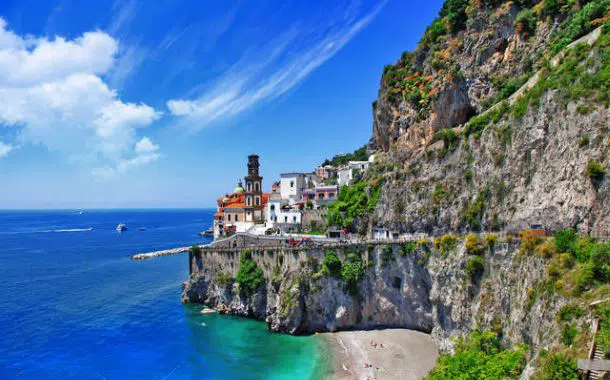
Salerno is an Italian municipality with 133,693 inhabitants, capital of the province of the same name in Campania, the second municipality in the region by number of inhabitants and the thirtieth at national level. The city of Salerno occupies a spectacular position overlooking the Gulf, where the splendid Amalfi Coast is located, a famous tourist destination in Italian Campania. It has a rich history and a deep-rooted tradition.
During the Middle Ages the city was the capital of the homonymous Lombard principality and then of the Norman duchy of Puglia and Calabria which included a large part of the continental South and was the original nucleus of the future Kingdom of Naples and the Two Sicilies.
Salerno was home to the School of Medicine, which was the first and most important medical institution in Europe at the beginning of the Middle Ages and as such is considered by many a forerunner of modern universities. Ideal heir to the famous medical school is the University of Salerno, located since 1988, in the form of a campus, in the neighboring municipalities of Fisciano and Baronissi.
From February to August 1944 Salerno was the seat of the Italian government,[10] hosting the governments Badoglio I, Badoglio II and Bonomi II which led to the Turn of Salerno.
Starting from the second half of the nineties, the city began a series of policies aimed at improving livability, urban decor and projecting, especially as regards tourism, Salerno at national and international level. The city is therefore a candidate to become one of the poles of cruise tourism and contemporary architecture, hosting works by the greatest architects of the 21st century, such as Fuksas, Zaha Hadid, Bohigas, Chipperfield, Calatrava and Bofill.
Civitavecchia
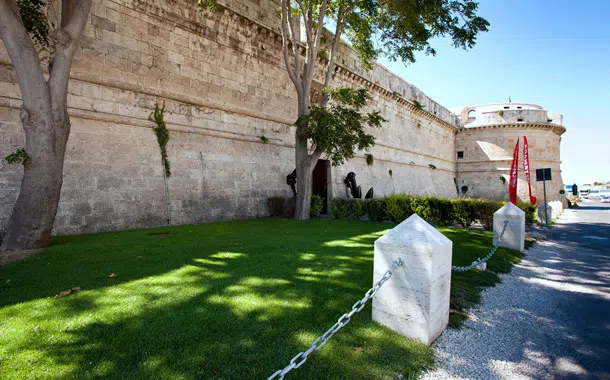
The port town of Civitavecchia is about an hour away from the Italian capital and is where ships will dock before bringing lucky holidaymakers into the city of Rome. It is an important port for cruise ships and ferries, connecting to Corsica, Sardinia and Barcelona. Civitavecchia is a town in the heart of Lazio. It is a small, sleepy town that overlooks the sea from behind the busy and chaotic commercial port.
Spreading out along the coast, the town is situated between the Mignon river to the north and the Marangone river to the south.
Civitavecchia is a port town in the heart of Italy, in the province of Rome, 80 kilometres northwest of the capital.
It is shrouded in art and history, and is rich in bays and coves with sandy and rocky beaches. Today the town is the departure point for many cruises and journeys around the Mediterranean. It is an excellent tourist destination where you can simply enjoy 'la dolce vita' or visit the amazing historical monuments. On a level with the majestic ancient capital, in terms of its monuments, gardens, villas and works of art, it also gives you easy access to the Tyrrhenian Sea, the Terme della Ficoncella, and the Etruscan ruins.
Civitavecchia will guarantee you an original and enchanting experience.
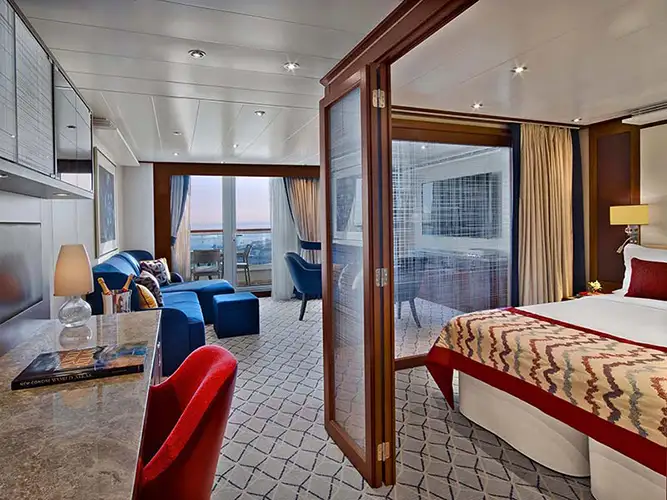
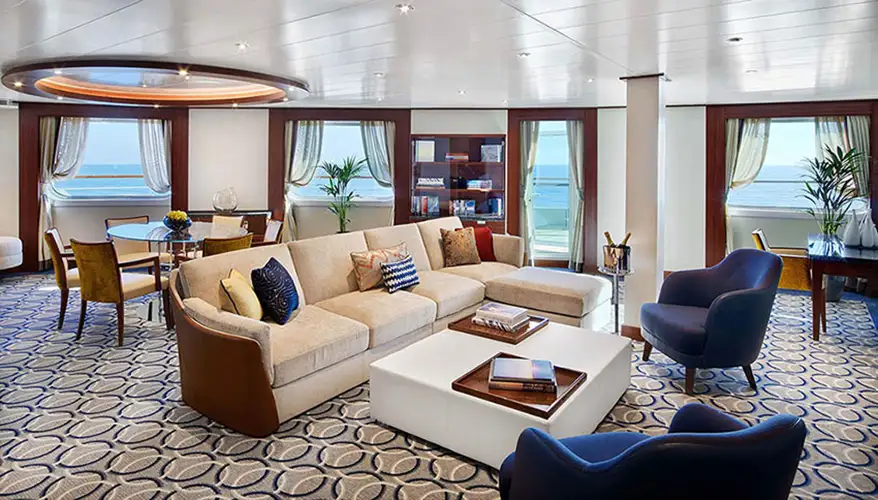
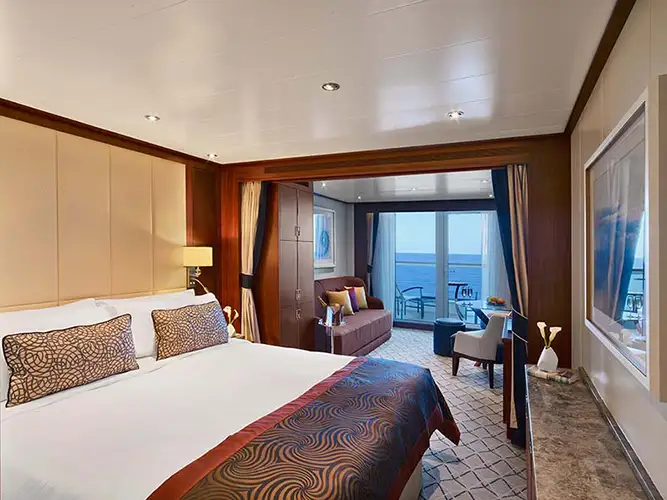
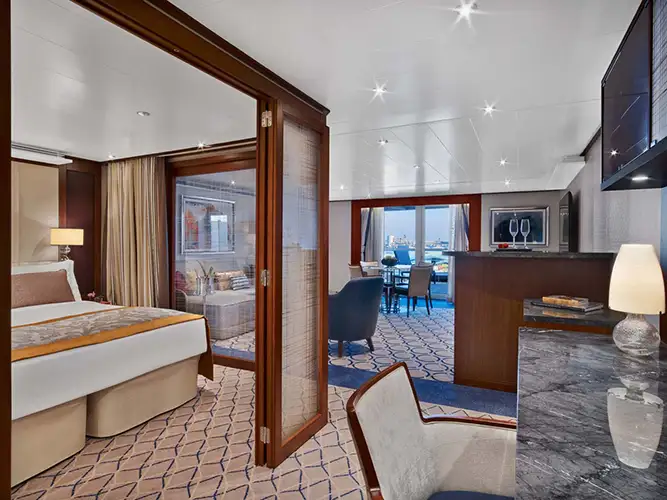
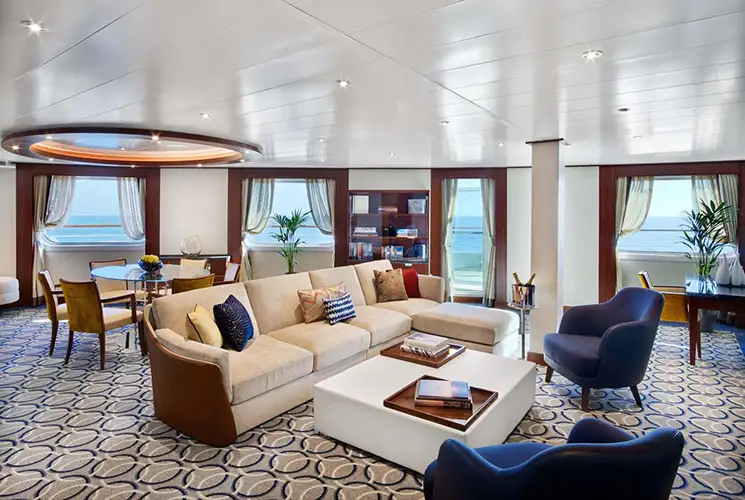
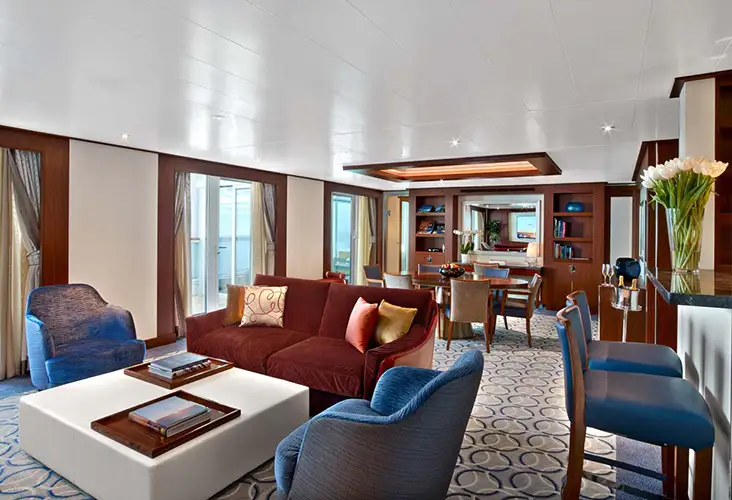
Info on the ship Seabourn Ovation