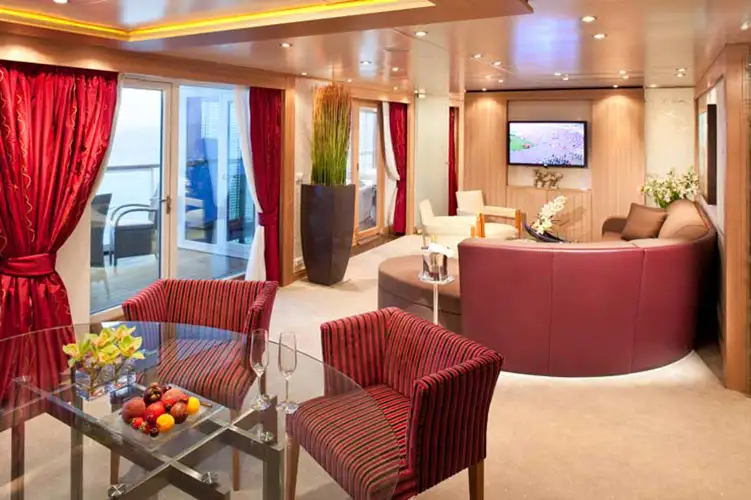
Seabourn Northern Europe: 22 nights from Copenaghen with Seabourn Quest
Aug 16, 2028
Denmark, Sweden, Finland, Estonia, Latvia, Lithuania, Poland, Norway, United Kingdom, Faroe Islands, Ireland, Iceland


Cruise itinerary
Departure Port: Copenaghen ➞
Landing: Reykjavik
-
 Wednesday, August 16, 2028 - 10:00 PMCopenaghen
-
Thursday, August 17, 2028 7:00 AM - 4:00 PMRonne
-
Friday, August 18, 2028 8:00 AM - 5:00 PMVisby
-
Saturday, August 19, 2028 9:00 AM - not foundStockholm
-
Sunday, August 20, 2028 not found - 2:00 PMStockholm
-
Monday, August 21, 2028 8:00 AM - 5:00 PMHelsinki
-
Tuesday, August 22, 2028 9:00 AM - 11:00 PMTallinn
-
 Wednesday, August 23, 2028Navigation
 -
Thursday, August 24, 2028 7:00 AM - 4:00 PMRiga
-
Friday, August 25, 2028 10:00 AM - 7:00 PMKlaipeda
-
Saturday, August 26, 2028 8:00 AM - 11:00 PMGdansk
-
Sunday, August 27, 2028Navigation
-
Monday, August 28, 2028 7:00 AM - 10:00 PMCopenaghen
-
Tuesday, August 29, 2028 10:00 AM - 6:00 PMSkagen
-
Wednesday, August 30, 2028 8:00 AM - 6:00 PMFarsund
-
Thursday, August 31, 2028 8:00 AM - 5:00 PMStavanger
-
Friday, September 1, 2028 9:00 AM - 6:00 PMLerwick
-
Saturday, September 2, 2028 12:00 PM - not foundTorshavn
-
Sunday, September 3, 2028 not found - 5:00 AMTorshavn
-
Sunday, September 3, 2028 8:00 AM - 6:00 PMKlaksvik
-
Monday, September 4, 2028Navigation
-
Tuesday, September 5, 2028 7:00 AM - 4:00 PMHúsavík
-
Wednesday, September 6, 2028 8:00 AM - 5:00 PMIsafjordur
-
Thursday, September 7, 2028 7:00 AMReykjavik
Copenaghen
Copenhagen, literally "port of the merchants", is the capital of Denmark and one of the country's most densely populated cities. Originally a city mainly inhabited by fishermen, it became a fundamentally important port for trade.
Copenhagen is a year-round tourist destination and in summer the flow of tourists increases considerably thanks to Northern Europe cruises.
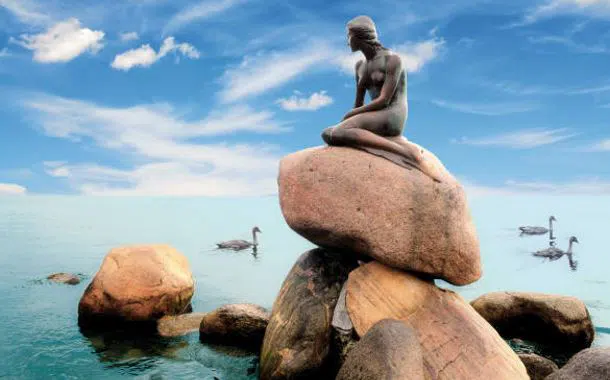
It is very common to add a stay in the city before a cruise, to take in its distinguishing relaxing atmosphere and see what it has to offer. Among its famous attractions you cannot miss the statue of the Mermaid which is located right at the entrance to the port and the Tivoli Gardens, one of the world's largest amusement parks, opened in 1843 and loved by everyone.
Copenhagen (København in Danish and 'Copenaga' in Italian [no source]) is the capital and the most populous city of Denmark with 518,574 inhabitants in the municipality (1,167,569 in the urban area). The city stretches across the islands of Sjælland and Amager and is separated from the city of Malmö in Sweden by the strait of Øresund.
Ronne
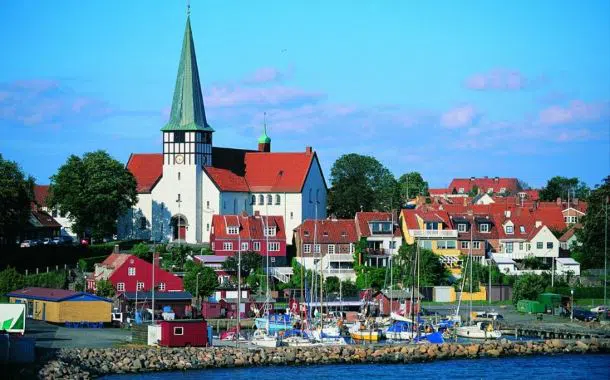
Rønne is the main city of the small rocky island of Bornholm, it is also a port metropolis that connects Bornholm in Denmark (Køge, south of Copenhagen), Sweden, Germany, and Poland. The city of Ronne and Nexø were bombed after the end of the Second World War. Despite this, there are still many old buildings rich in history. The Swedish State donated 175 particular red wooden houses to help rebuild the city, which are still visible today. Cultural capital of the island: it has the oldest theater in Denmark, the Bornholm Concert Hall. Considered as a starting point for excursions around the island, it has been given the name of Pearl of the Baltic. With its beautiful countryside, rocky coasts and sandy beaches, the place is a popular tourist destination. Discover the medieval fortress of Hammershus, the largest in Northern Europe, a round church from the Middle Ages, a traditional mill, herring smoke, and much more. The easternmost point of Denmark is the island of Christiansø, characterized by the absence of cars. The island mainly lives on fishing, handicrafts, agriculture, and summer tourism, but is also committed to the growth and development of renewable energy.
Visby
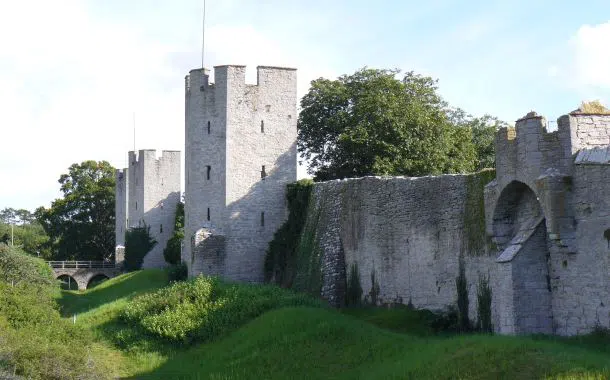
Visby is the capital of Gotland, the largest island in the Baltic Sea, located halfway between Sweden and Latvia, one of the preeminent medieval cities of Scandinavia and included in the UNESCO World Heritage List.
Visby is a popular vacation destination for Scandinavians during the summer and receives thousands of tourists every year. And 'by far the most populous location outside the Swedish mainland.
Every August, it hosts its medieval week, with authentic dress, parties and jousting. But there is no need to visit Visby in August to get a sense of its medieval history. Just follow the streets that wind throughout the city, take a tour of its historic center and visit the 13th century church.
The Fornsal Museum highlights 8,000 years of local history. The collection includes: stones painted with a date prior to the Vikings, old tombstones, silver treasures and medieval sculptures.
In the city of Gotland has an extraordinary collection of medieval churches, 93 of which are still in use today. Some still have medieval glass paintings and the majority of them contain medieval frescoes.
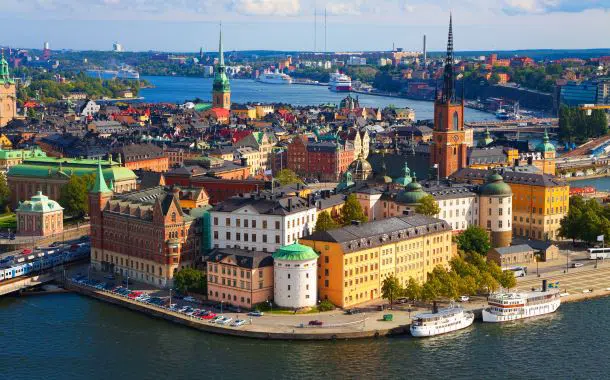
Stockholm
The capital of Sweden is considered one of the most beautiful cities in the world, a mirage of buildings in saffron colors and iridescent terracottas between the blue of the water and the even bluer skies of the Swedish summer, or candid, covered with snow and dotted with winter lights. It is also a lively, modern city, famous for the production of elegant design, cutting-edge fashion and world-class nightclubs.
The old town, Gamla Stan, is a compact little labyrinth seemingly built for small, thin people. The red, orange, and vanilla stucco walls of the buildings that seem to curve in towards each other house countless souvenir shops and ice cream parlors.
Just south of Gamla Stan is another island-neighborhood, Södermalm, where hills high waterfront are embellished by beautiful residences and the main avenues are lined with bohemian shops, art galleries, and Clubs. On the other side of Gamla Stan is the main city center, a bustling metropolis where boutiques and restaurants enliven the cool Swedish evenings.
Stockholm
The capital of Sweden is considered one of the most beautiful cities in the world, a mirage of buildings in saffron colors and iridescent terracottas between the blue of the water and the even bluer skies of the Swedish summer, or candid, covered with snow and dotted with winter lights. It is also a lively, modern city, famous for the production of elegant design, cutting-edge fashion and world-class nightclubs.
The old town, Gamla Stan, is a compact little labyrinth seemingly built for small, thin people. The red, orange, and vanilla stucco walls of the buildings that seem to curve in towards each other house countless souvenir shops and ice cream parlors.
Just south of Gamla Stan is another island-neighborhood, Södermalm, where hills high waterfront are embellished by beautiful residences and the main avenues are lined with bohemian shops, art galleries, and Clubs. On the other side of Gamla Stan is the main city center, a bustling metropolis where boutiques and restaurants enliven the cool Swedish evenings.
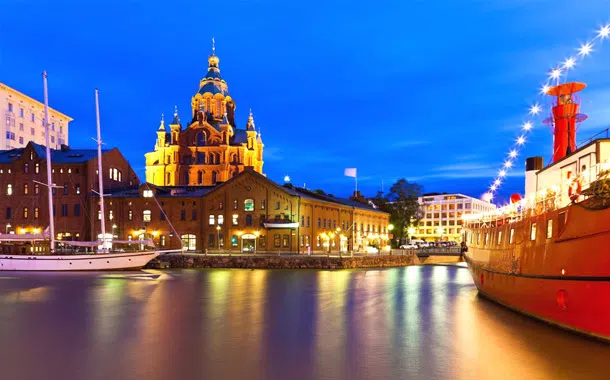
Helsinki
Helsinki, the capital of Finland, is a lively port city surrounded by beautiful small islands and beautiful green spaces. The atmosphere here is both relaxing and stimulating thanks to the city's large number of top quality restaurants, bars and discotheques.
Winter temperatures are relatively high due to the latitude, averaging around -5°C in January and February. The average temperature from June to August varies from 19 °C and 21°C.
The Finns have long been admired for their graceful design and typically immaginative architecture. Lots of past and present styles are represented in this metropolis, ranging from the medieval and the neoclassical ones to the beautiful ultra-modern creations. The beauty of the surrounding nature harmoniously blends with the high-tech and the contemorary ways of the city. In this lively city you will find kind people, a welcoming and relaxed lifestyle and beautiful gardens and parks.
Tourism in Helsinki is largely dominated by culture. The city has lots of museums including the National museum (Kansallis Museum), the Museum of Contemporary Art (Kiasma), the Museum of Classic Art
(Ateneum) and the Natural History Museum. Suomenlina is a beautiful island off the coast of Helsinki, its special feature being the presence of ancient fortifications. The landscape is beautiful, the island is quiet and it is perfect for walking (it takes only 2 hours to walk around the island).
Finally, try the Esplanade Park, which has been open since 1812 and has numerous statues honouring poets and writers. The walk is very pleasant and numerous concerts are organised during the summer.
Winter temperatures are relatively high given the latitude, with an average of around -5°C in January and February. The average maximum from June to August, in turn, fluctuates between 19 and 21°C.
The Finns have long been admired for their graceful design and typically imaginative architecture. Many past and present styles are represented in this metropolis, from medieval to neoclassical, to superb ultra-modern creations. The beauty of the surrounding nature blends harmoniously with high-tech and the contemporary modes of the city.
In this sparkling city you will find friendly people, the welcoming and relaxing lifestyle, embellished by beautiful gardens and parks.
Tourism in Helsinki is largely dominated by culture. The city has many museums, including the National Museum (Kansallis museum), the Museum of Contemporary Art (Kiasma), the museum of classical art (Ateneum) or the Museum of Natural History.
Suomenlina is a beautiful island off the coast of Helsinki, its particularity is the presence of ancient fortifications. The landscape is beautiful, the island is quiet and it's perfect for walking (it only takes 2 hours to go around the island).
Finally, try the Esplanade Park open since 1812, there are numerous statues in honor of poets and writers. The walk is very pleasant and during the summer many concerts are organized.
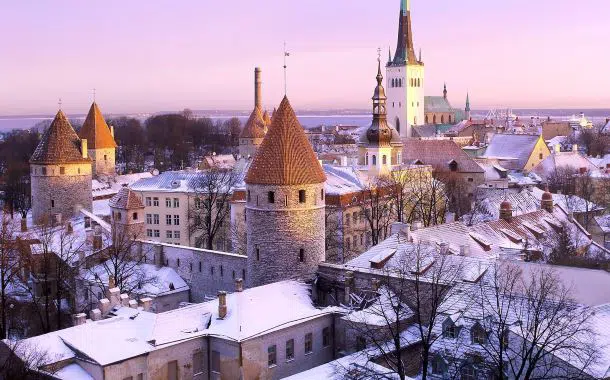
Tallinn
Tallinn is the capital of Estonia as well as its main port, it is located on the northern coast of the country, overlooking the Baltic Sea, 80 kilometers south of Helsinki and is also the most populous city and major economic and commercial center of the country.
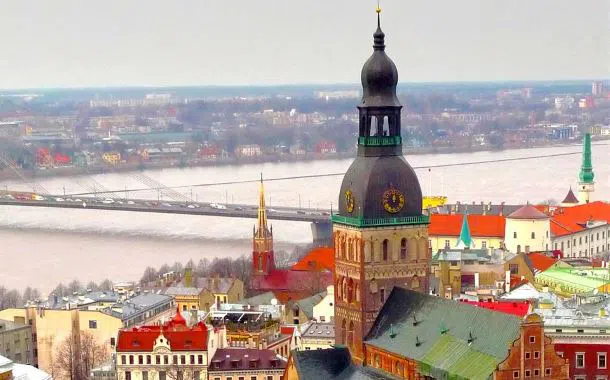
Riga
Riga, the capital of Latvia and the largest metropolis in the Baltic States, has the craziest nightlife of the three states.
The city is located near the Daugava Rigaian bay. Even today, Riga is very interesting when it comes to business opportunities and activities. The old port is famous for its Art Nouveau buildings, generous in constructions and a well-preserved center. After the particularly depressed economic period after independence in 1991 the country lost many of its industries in the great post-Soviet whale hunt, it is now highly developed in its education system and has a great cultural value and therefore cannot be considered as the backbone of the Latvian economy, as well as the largest center of education and science. Every year numerous exhibitions, conferences and cultural events take place in Riga and contribute to the city's international reputation. And it is charming to walk through the alleys of the historic center to admire splendid buildings such as the House of the Three Brothers, they are three houses next to each other in Maza Pils iela where a museum of architecture is currently housed, the House of the Blackheads, one of the best-known buildings in the Old Town. Don't miss the churches of St. Peter and St. John and the Cathedral.
Riga has many bars, clubs and discos, mainly located in the historic center.
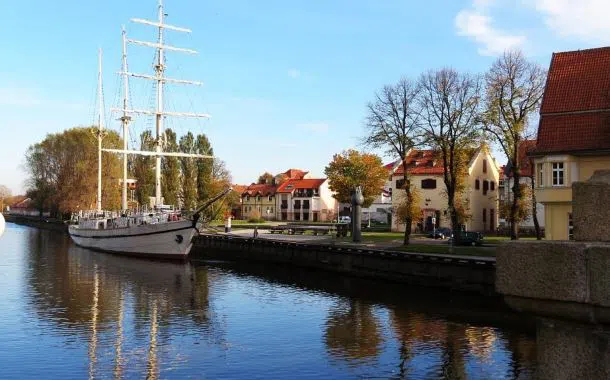
Klaipeda
The city is located near the Niemen delta, at the northern end of the Neringa Peninsula passing through the Strait of Memel. It connects Sweden, Denmark and Germany by ferry.
Lithuania's main seaport, Klaipėda is the third largest city in Lithuania after Vilnius and Kaunas. Long contested between the Kingdom of Lithuania and the Teutonic Knights.
Starting with a visit to the old town, you can see old houses, adorned with bushes of grapes. Several architectural buildings recall the designs of contemporary stories and small houses with tiled roofs surrounded by flowers and bushes.
The streets of the old town are winding and labyrinthine. Theatre Square is the central part of the old town of Klaipeda. Here you can see Simon Fontana Dach and another permanent symbol of the city, the sculpture of Anika Toravy, a historical figure in one of the old Lithuanian songs.
In addition to the beautiful walks through the streets of the city, you absolutely must visit the Museum of Clocks. Here are the collections of the first devices with which our ancestors determined the time. They vaguely resemble the clocks that are used today. You will be surprised to know that there are water clocks and fire clocks. A variety of sundials and hourglasses will broaden your understanding of production mechanisms. The Museum is another notable cultural institution.
It is possible to stroll and see many monuments in the sculpture park, to finish the tour with a visit to the Maritime Museum. Klaipeda will prepare for its guests with lots of fun for all tastes. It only remains to make the right choice and enjoy the holiday.
Gdansk
Copenaghen
Copenhagen, literally "port of the merchants", is the capital of Denmark and one of the country's most densely populated cities. Originally a city mainly inhabited by fishermen, it became a fundamentally important port for trade.
Copenhagen is a year-round tourist destination and in summer the flow of tourists increases considerably thanks to Northern Europe cruises.
It is very common to add a stay in the city before a cruise, to take in its distinguishing relaxing atmosphere and see what it has to offer. Among its famous attractions you cannot miss the statue of the Mermaid which is located right at the entrance to the port and the Tivoli Gardens, one of the world's largest amusement parks, opened in 1843 and loved by everyone.
Copenhagen (København in Danish and 'Copenaga' in Italian [no source]) is the capital and the most populous city of Denmark with 518,574 inhabitants in the municipality (1,167,569 in the urban area). The city stretches across the islands of Sjælland and Amager and is separated from the city of Malmö in Sweden by the strait of Øresund.
Skagen
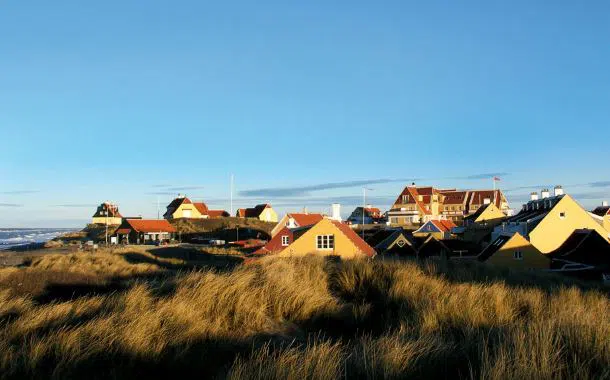
Skagen is a Danish town located in the North Jutland region on the northernmost tip of the island of Vendsyssel-Thy. It is part of the municipality of Frederikshavn. In the vicinity of Skagen, frequented by tourists, there is Grenen, a strip of sand that extends to the north-east at the point where the two seas Skagerrak and Kattegat meet, generating turbulence that makes navigation difficult. For this reason, special signs sanction the ban on bathing. It is often possible to witness the characteristic clash of waves coming from opposite directions. The old Vippefyr lighthouse, was built in the fifteenth century and later destroyed. There is a reconstruction north of the city. In the seventeenth century it was replaced by the Hvidefyr (white lighthouse). In turn replaced by the taller Gråfyr (grey lighthouse) of 1850, still present. To the south of the city there is the Tilsandende Kirke, a church buried by the sand. Currently visible and visitable is only the bell tower. Further attractions are represented by the numerous museums and art galleries. Among the museums, we point out the Skagens Museum which exhibits the major works of the Skagen painters.
Farsund
Stavanger
Stavanger is a Norwegian city located in the county of Rogaland, and it is a very ancient city. It seems that the first settlements took place about 10,000 years ago. It received city status in the 12th century, and in the same period, it became a bishop's seat, acquiring great importance from a religious point of view. It lost this role following the Protestant Reformation of 1536. Stavanger experienced the economic boom in the late 1960s: this area, in fact, became an important oil extraction base in the North Sea.
From a cultural point of view, Stavanger is a very active city: it was chosen, in fact, in 2008 as European Capital of Culture. Stavanger is a popular tourist destination thanks to the breathtaking landscapes that the city itself and the surrounding areas offer.
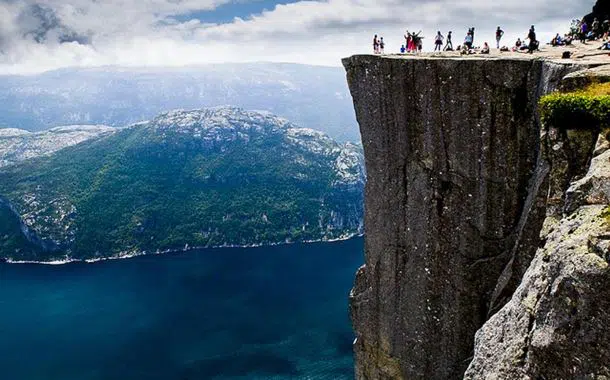
You cannot miss the Preikestolen, a rock 604 meters high from which you can enjoy a breathtaking view and which is visited every year by an ever-increasing number of tourists.
The city is very lively and full of attractions for leisure, including restaurants, clubs, and shops. The historic center is quite small and it is worth visiting on foot to fully enjoy the positive atmosphere that you breathe. Visiting Stavanger via a cruise in Northern Europe is one of the best ways to fully enjoy the landscape and to experience direct contact with nature.

Lerwick
Torshavn
Torshavn
Klaksvik
Húsavík
Isafjordur
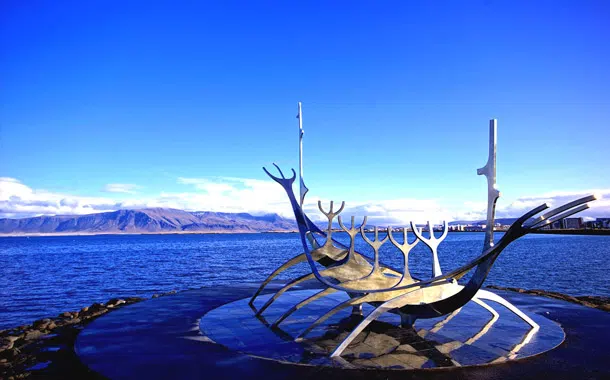
Reykjavik
The gateway to Iceland, a land of incredible natural wonders, ranging from huge glaciers to thermal pools and geysers.
Reykjavik, the capital of Iceland, is small but boasts a vast historical and cultural heritage. Founded thousands of years ago by Nordic settlers, this destination is set on a breathtaking coast with scenic peninsulas, straits, and picturesque islands. Known for its natural beauty and charm, the small city, Reykjavik, is also known to attract travelers as "the capital of Northern nightlife" for its vibrant and social atmosphere. The island's landscape seems to be in a continuous process of transformation like society, which combines Nordic tradition with sophisticated technology.
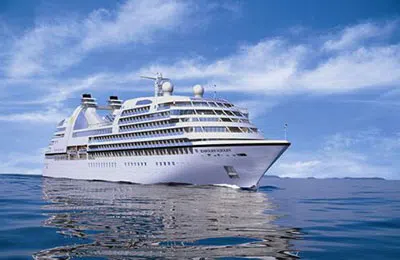
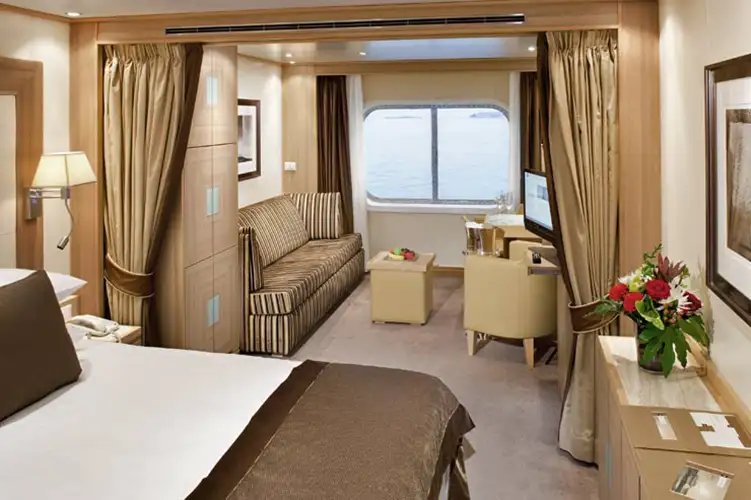
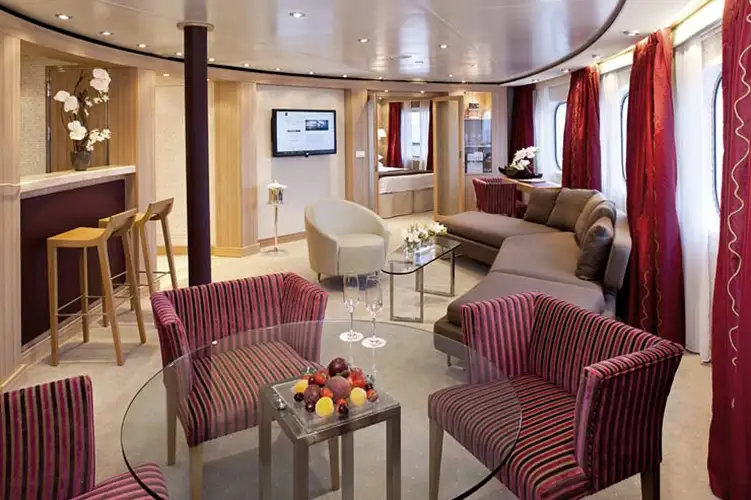
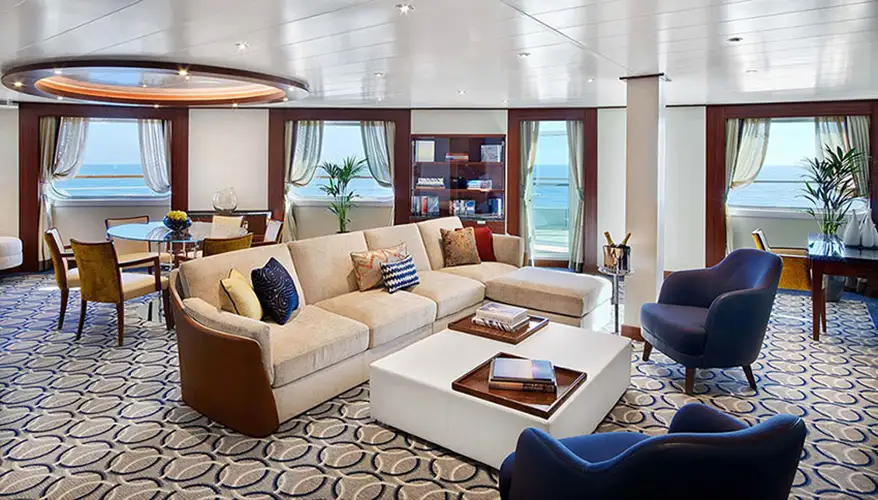
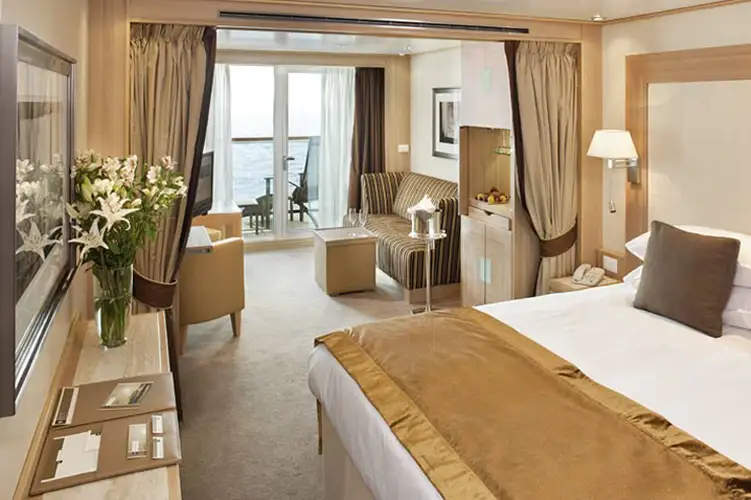
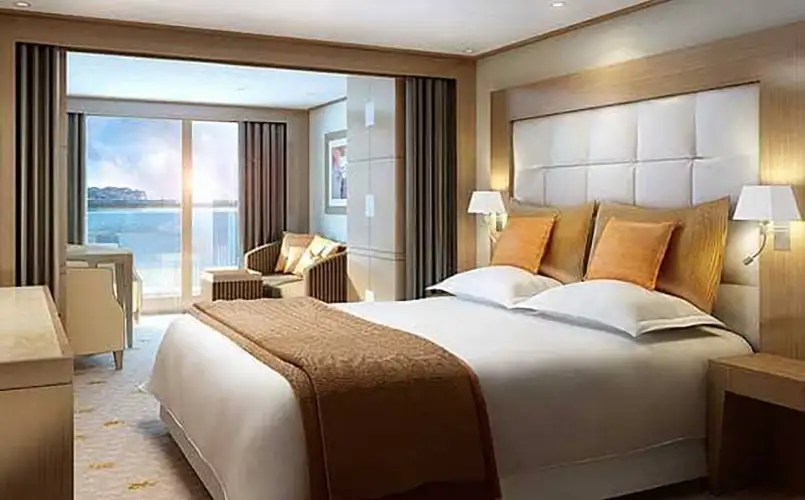
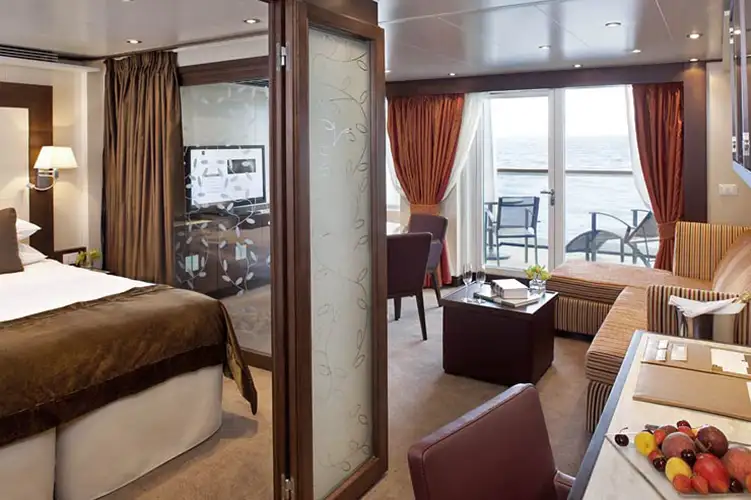
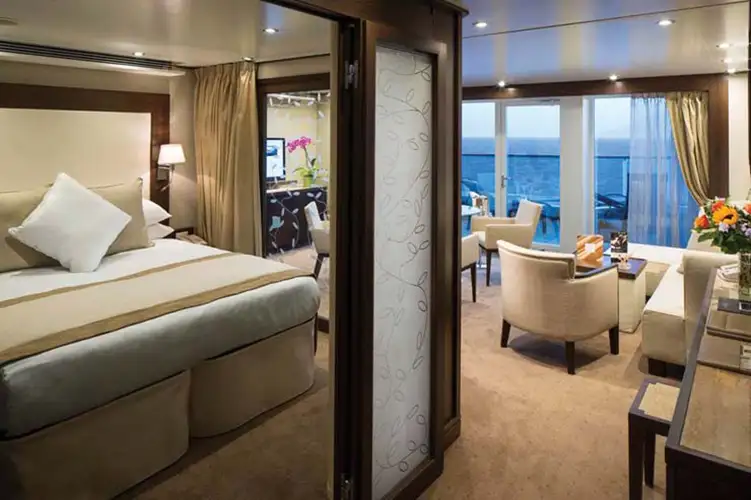
Info on the ship Seabourn Quest