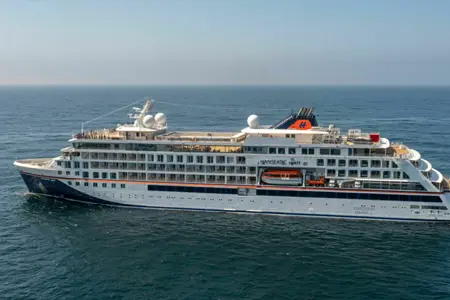
Hapag-Lloyd Cruises Northern Europe: 10 nights from Hamburg with Hanseatic Spirit
Oct 7, 2026
Germany, France, Spain, Portugal


Cruise itinerary
Departure Port: Hamburg ➞
Landing: Oporto
-
 Wednesday, October 7, 2026 - not foundHamburg
-
Friday, October 9, 2026 not found - not foundHonfleur
-
Saturday, October 10, 2026 not found - not foundSaint Malo
-
Monday, October 12, 2026 not found - not foundLa Rochelle
-
Tuesday, October 13, 2026 not found - not foundBilbao
-
Wednesday, October 14, 2026 not found - not foundGijon
-
Thursday, October 15, 2026 not found - not foundLa Coruna
-
Friday, October 16, 2026 not found - not foundViana do Castelo
-
Saturday, October 17, 2026 not foundOporto
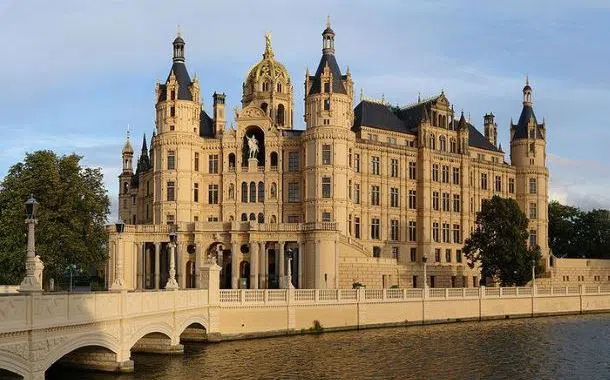
Hamburg
Hamburg is without a doubt the best city in Europe for seeing unique bridges. Its tourist sites are characterised by the typical bohemian style of the sailors and its port.
Just behind Berlin in terms of size and population, the city of Hamburg is home to one of the largest ports in Europe. You will understand why it is know as the 'Venice of the North', when you explore its many canals and waterways. Do not forget to take a trip to the fish market and to the merchants' district, where you will find unique architecture and impressive red brick buildings. Having a delicious dinner by the river or spending a night in the university district is a must.
Hamburg is a destination with many tourist attractions, especially its ancient port and the exclusive lake located in the city centre.
You should also be sure to visit the renowned Kunsthalle (north of the Hauptbahnhof). The Kunsthalle houses an art collection of international importance, covering everything from medieval portraits to 20th century minimalism.
The Rathaus, a neo-Renaissance style building, is home to Hamburg's city hall. When Parliament is not in session, several guided tours are available.
There are also big exhibitions and historical events that are great for tourists.
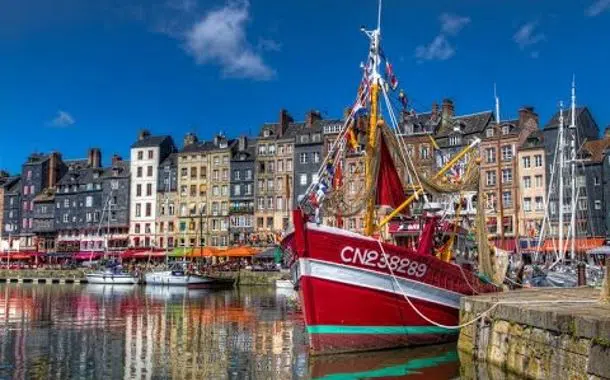
Honfleur
Honfleur is a French city located in Lower Normandy. In the past it was Norman, English and finally French property and had an economic boom at the end of the Hundred Years' War.
In the 17th century, Honfleur was enriched thanks to trade with Canada, the Antilles, Africa, and the Azores and was one of the main ports for the slave trade. One of the most characteristic aspects of the city are the houses that overlook the Seine, giving the impression of being in front of an Impressionist painting. It is no coincidence that some of the greatest painters, such as Monet, Courbet, and Boudin, chose it as a destination where to find inspiration. The cultural and architectural heritage of Honfleur includes churches and museums, including the Musée de Vieux Honfleur, which collects the enterprises of local travelers or the Eugène Boudin Museum, where there are paintings by local painters dating from the 19th to the 20th century. Honfleur is a town and measure of man and between alleys and cobbled streets, it encloses a unique allure.
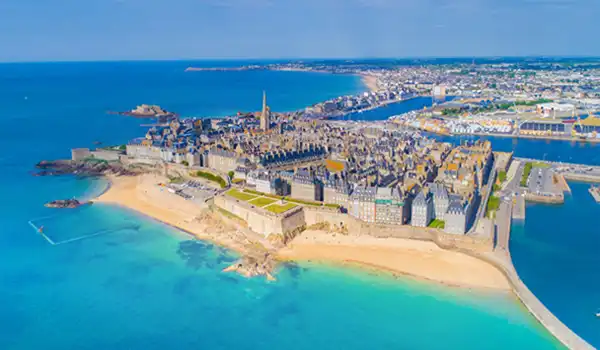
Saint Malo
Breton Adventures from Saint Malo!Embark on a captivating cruise from Saint Malo, France, a historic port city in Brittany, renowned for its formidable ramparts and rich maritime heritage. This fortified city offers a dramatic and enchanting departure point for exploring the rugged beauty of the French coast, the Channel Islands, and beyond. Immerse yourself in its legendary past and vibrant atmosphere before setting sail on a journey promising breathtaking coastal views and historical discoveries.
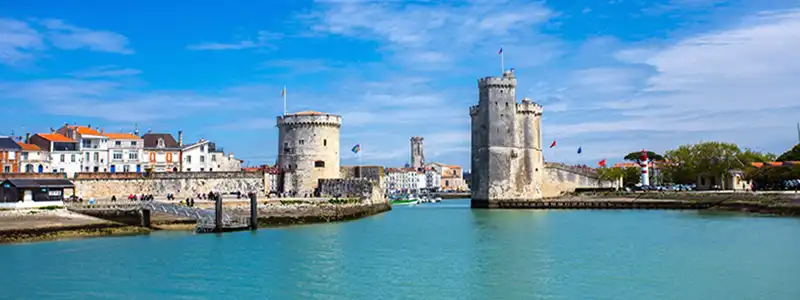
La Rochelle
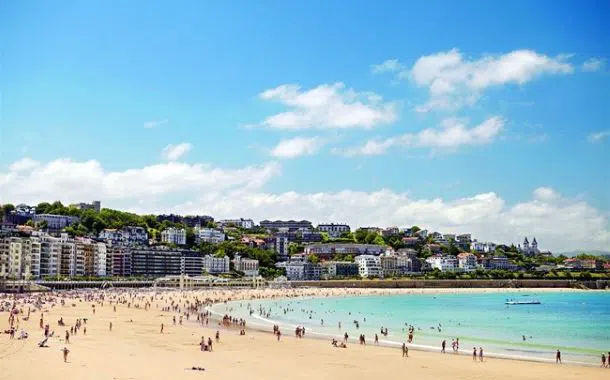
Bilbao
Bilbao, located on the Northern coast of Iberian Peninsula, is the ideal starting point to visit this area of Spain. Tourists come here to enjoy the beaches, discover its culture and absorb its mild climate. With one of Europe's largest ports, the vibrant city has been able to invest in a redevelopment plan, trasforming its brownfield sites into cutting-edge cultural and architectural venues.
But it is its historic center, which continues to fascinate with its stores, alleys and monuments. The city was officially founded in the 1300s, consolidating its economic position. Thanks to the exploitation of mining and steel industry areas, port and ship activity and its financial center, the city became one of the most important cities during the Industrial Revolution.
A modern and transportation network connects Bilbao to other cities in Spain. Thanks to its beautiful beaches, the city is the ideal destination for beach lovers. Beaches are not the only attractions in Bilbao, there are very fascinating places besides the beautiful beaches: the Cathedral of Santiago, located in the heart of the Old Town (Casco Viejo) is dedicated to the apostle Santiago, the official patron saint of the city of Bilbao since 1643.
Built at the end of the 14th century in the Gothic style, the neo-Gothic tower and façade were made by Severino Achúcarro in late 1887. The Old Bridge of San Antonio is located next to the church of the same name. Pablo de Alzola and Ernesto Hoffmeyer built a second bridge in 1877 but it was destroyed during the Civil War in 1937. San Antonio Bridge dates from the early 20th century, also known as the Atxuri Bridge, connecting the old neighborhood to the rest of the city. For nature lovers, the city is surrounded by a fertile landscape of forests, mountains, beaches, and cliffs that make Bilbao a tourist destination. A holiday aboard a cruise offers the opportunity to visit this beautiful city and partecipate in one of these unique activities.
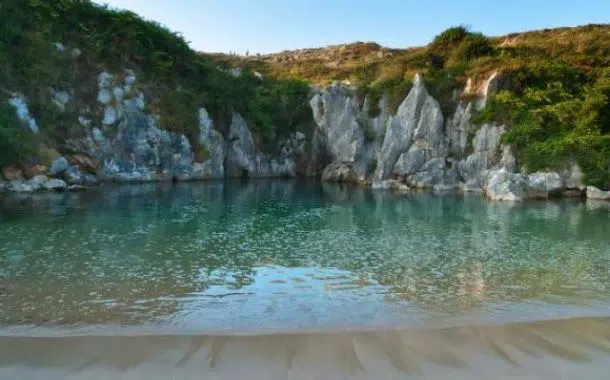
Gijon
On the coasts of the Cantabrian Sea, Gijón offers an interesting combination of maritime tradition, monumental heritage and modern urbanism right by the sea.
It is a modern, welcoming and open city full of green spaces, sports facilities and protected artistic heritages that have been recently restored. Gijón is the venue for numerous fairs, conferences, large concerts and cultural and sporting events. All this has been possible thanks to the improvement of the connections between Gijón and the rest of Asturias and Spain.
Its very original center, with its narrow cobbled streets, attracts many tourists, and the Cerro de Santa Catalina park on the tip of the Cimadevilla peninsula offers a splendid view of the coast.
It has a temperate oceanic climate typical of the Atlantic coast of Spain, with cool summers and humid and mostly mild winters. Autumn and spring offer the best climate and in summer there is almost no rain.
Its life and culture, the people, the landscape and the gastronomy all mixed together offer visitors and citizens a great and diverse experience.
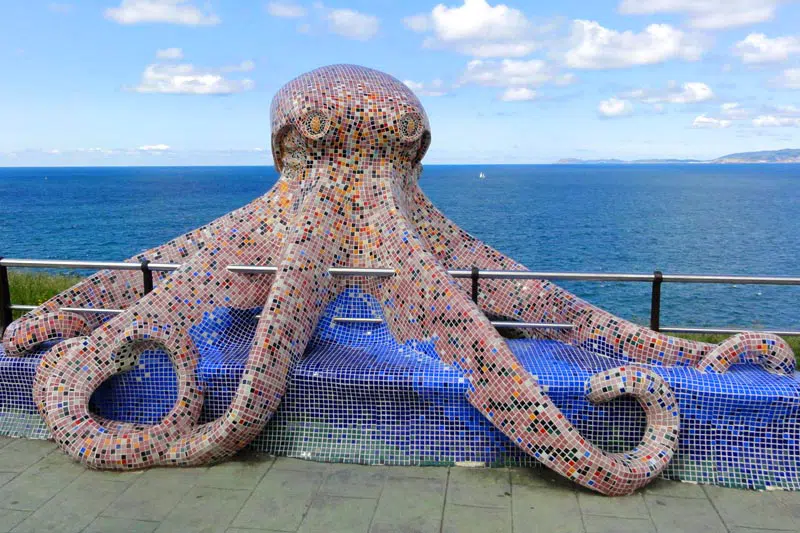
La Coruna
La Coruña is a city and municipality in Spain. It belongs to the autonomous region of Galicia and is the capital of the province. Important historic port is located on the north-western coast of the Iberian Peninsula, in the Rias Altas.
Located on the coast of the Atlantic Ocean, La Coruña is a city whose history has maintained close ties with its old fishing and commercial port. The peninsula on which the houses of the historic center are located, beyond the Tower of Hercules, one of the symbols of the city and declared a World Heritage Site by UNESCO, you will find a set of interesting and historic streets, squares and medieval churches.
Although the origin of the town may appear as an old Celtic settlement, the history of the city began to be important in Roman times, when the port became a fundamental structure for the country.
Historically, the port has been the scene of some of the most important historical events in the city, such as the defeat of the English corsair Francis Drake in 1589, thanks to the resistance of the entire population and led by the protagonist María Pita.
The Finisterrae Aquarium, the Domus and the Science Museum are some of the areas that show the most modern and playful side of the provincial capital, also offers one of the most beautiful and extensive beaches of Riazor and Orzán. All this is completed with a traditional cuisine, marked by the excellence of its fish and meats from the interior of the province. Gastronomic city par excellence, it has many good places to enjoy the exquisite Galician cuisine. Furthermore, you will find several establishments that offer excellent wine, normally concentrated in the old part of the city.
In its splendid, always lively streets, there are good examples of Romanesque architecture. One of the most beautiful churches in the city is undoubtedly that of Santiago, the oldest in the area, built in the 12th century. Its large nave of arches houses a polychrome sculpture of Saint James dating back to the 13th century. For its architectural interest, it has been declared a Historical-Artistic Monument.
Sit on a terrace in Plaza de María Pita and discover its fascinating history, stroll through the Cantons admiring its famous modern-style crystal galleries, and if you want to go shopping, this is certainly the best place.

Viana do Castelo
Oporto
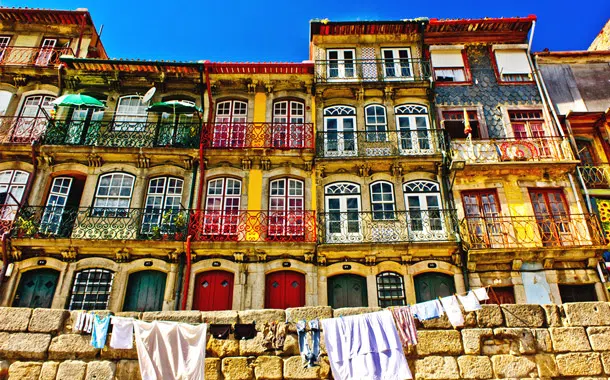
At the mouth of the Rio Douro, the hilly city of Porto presents a mix of styles, eras and attitudes: narrow medieval alleys, extravagant Baroque churches, small squares and wide avenues, flanked by stately buildings.
The heart of Oporto is the Ribeira district, an area declared a UNESCO World Heritage Site made up of winding alleys, zigzagging stairs and churches on every corner, village-style squares and old merchants' houses where Roman ruins are hidden under the foundations. In the last two decades Porto has undergone a remarkable rebirth – which is expressed in the buzz of its efficient metro system and the shimmering of some ambitious urban renewal projects. The crowning of the city's glories are the two latest masterpieces, Museu de Arte Contemporânea by Álvaro Siza Vieira and the 'Casa da Música, which have transformed the city into a place of pilgrimage for architecture enthusiasts.
The Dom Luís I bridge an audacious iron arch, which crosses the Douro river, is impressive and not to be missed. It was built by the Belgian engineer Théophile Seyrig, for road traffic. Since 2003 the upper level has been used exclusively by the city's metro trams.
Info on the ship Hanseatic Spirit