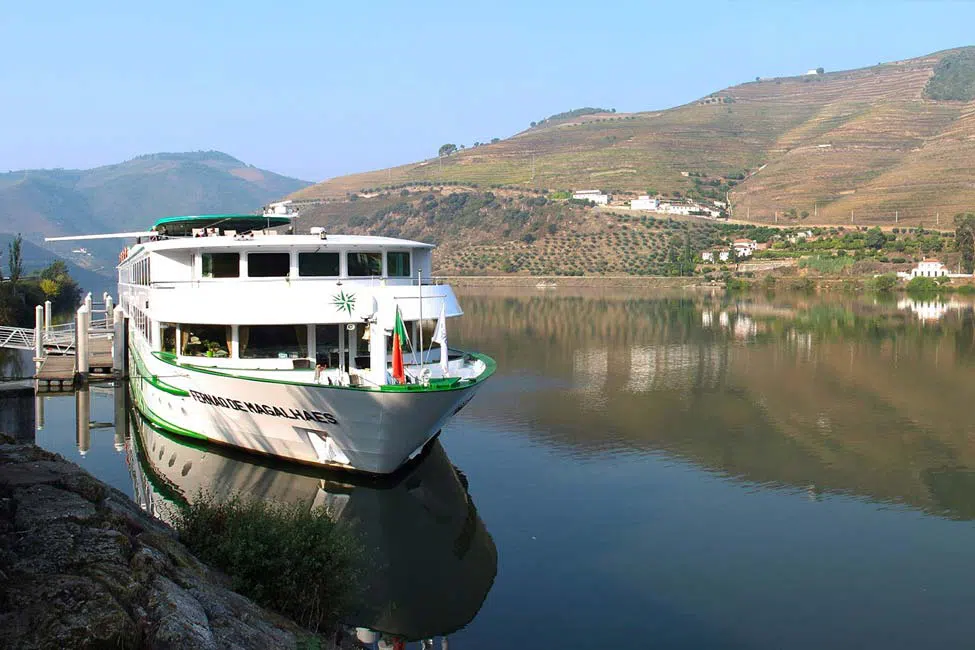
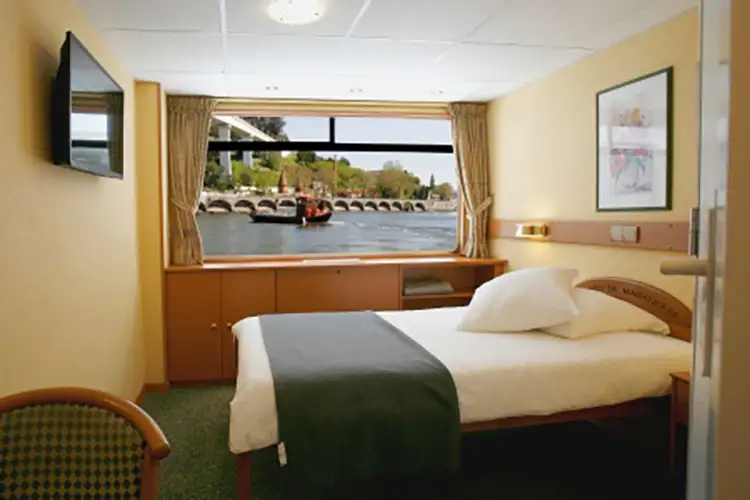
CroisiEurope Douro: 5 nights from Oporto with Ms Fernao De Magalhaes
Nov 4, 2026
Portugal


Cruise itinerary
Departure Port: Oporto ➞
Landing: Oporto
-
 Wednesday, November 4, 2026 - not foundOporto
-
Thursday, November 5, 2026 not found - not foundPeso da Régua
-
Friday, November 6, 2026 not found - not foundPeso da Régua
-
Saturday, November 7, 2026 not found - not foundPorto Antigo
-
Sunday, November 8, 2026 not found - not foundPorto Antigo
-
Monday, November 9, 2026 not found - not foundOporto
-
Tuesday, November 10, 2026 not foundOporto
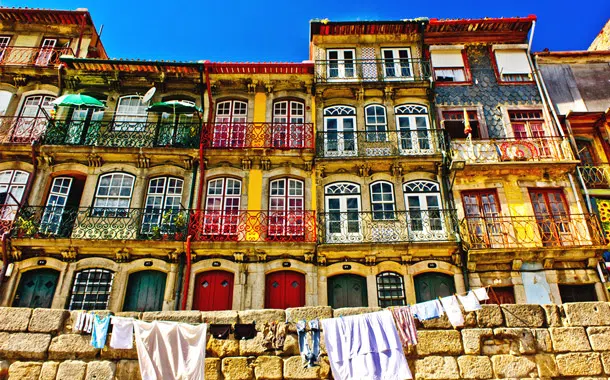
Oporto
At the mouth of the Rio Douro, the hilly city of Porto presents a mix of styles, eras and attitudes: narrow medieval alleys, extravagant Baroque churches, small squares and wide avenues, flanked by stately buildings.
The heart of Oporto is the Ribeira district, an area declared a UNESCO World Heritage Site made up of winding alleys, zigzagging stairs and churches on every corner, village-style squares and old merchants' houses where Roman ruins are hidden under the foundations. In the last two decades Porto has undergone a remarkable rebirth – which is expressed in the buzz of its efficient metro system and the shimmering of some ambitious urban renewal projects. The crowning of the city's glories are the two latest masterpieces, Museu de Arte Contemporânea by Álvaro Siza Vieira and the 'Casa da Música, which have transformed the city into a place of pilgrimage for architecture enthusiasts.
The Dom Luís I bridge an audacious iron arch, which crosses the Douro river, is impressive and not to be missed. It was built by the Belgian engineer Théophile Seyrig, for road traffic. Since 2003 the upper level has been used exclusively by the city's metro trams.
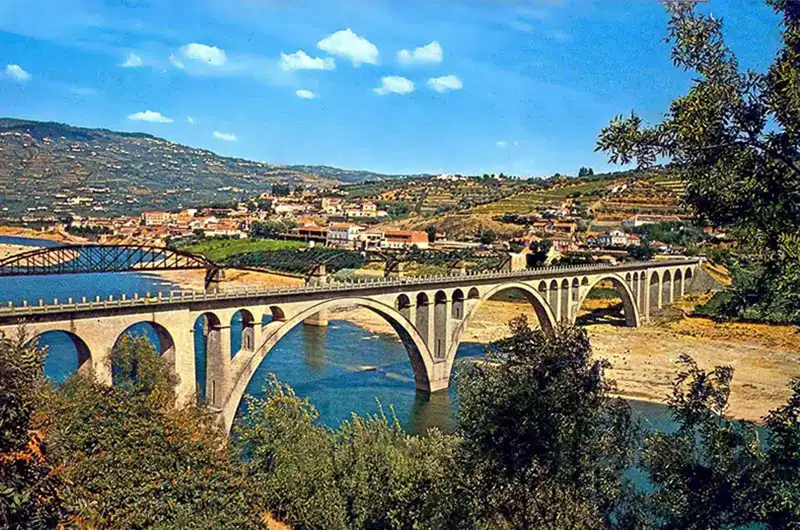
Peso da Régua
Peso da Régua
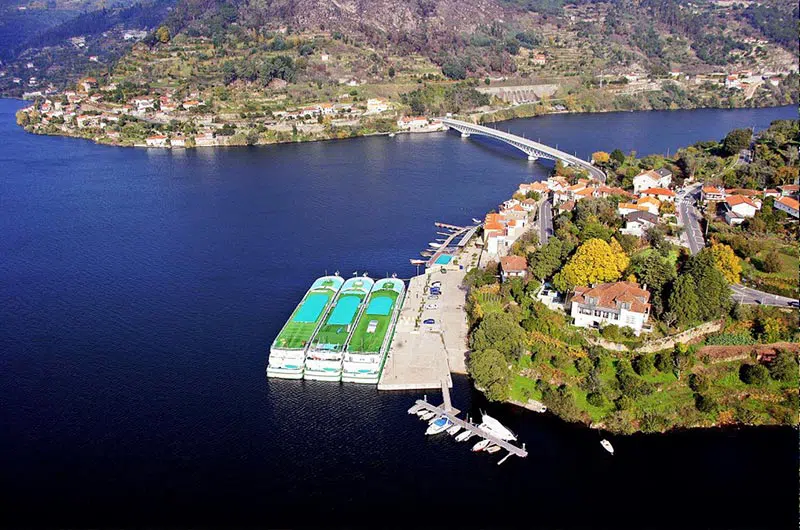
Porto Antigo
Porto Antigo
Oporto
At the mouth of the Rio Douro, the hilly city of Porto presents a mix of styles, eras and attitudes: narrow medieval alleys, extravagant Baroque churches, small squares and wide avenues, flanked by stately buildings.
The heart of Oporto is the Ribeira district, an area declared a UNESCO World Heritage Site made up of winding alleys, zigzagging stairs and churches on every corner, village-style squares and old merchants' houses where Roman ruins are hidden under the foundations. In the last two decades Porto has undergone a remarkable rebirth – which is expressed in the buzz of its efficient metro system and the shimmering of some ambitious urban renewal projects. The crowning of the city's glories are the two latest masterpieces, Museu de Arte Contemporânea by Álvaro Siza Vieira and the 'Casa da Música, which have transformed the city into a place of pilgrimage for architecture enthusiasts.
The Dom Luís I bridge an audacious iron arch, which crosses the Douro river, is impressive and not to be missed. It was built by the Belgian engineer Théophile Seyrig, for road traffic. Since 2003 the upper level has been used exclusively by the city's metro trams.
Oporto
At the mouth of the Rio Douro, the hilly city of Porto presents a mix of styles, eras and attitudes: narrow medieval alleys, extravagant Baroque churches, small squares and wide avenues, flanked by stately buildings.
The heart of Oporto is the Ribeira district, an area declared a UNESCO World Heritage Site made up of winding alleys, zigzagging stairs and churches on every corner, village-style squares and old merchants' houses where Roman ruins are hidden under the foundations. In the last two decades Porto has undergone a remarkable rebirth – which is expressed in the buzz of its efficient metro system and the shimmering of some ambitious urban renewal projects. The crowning of the city's glories are the two latest masterpieces, Museu de Arte Contemporânea by Álvaro Siza Vieira and the 'Casa da Música, which have transformed the city into a place of pilgrimage for architecture enthusiasts.
The Dom Luís I bridge an audacious iron arch, which crosses the Douro river, is impressive and not to be missed. It was built by the Belgian engineer Théophile Seyrig, for road traffic. Since 2003 the upper level has been used exclusively by the city's metro trams.
Info on the ship Ms Fernao De Magalhaes